Our Story
The story behind
The Muc Truck Tacos
La historia · the story
From México
to Ireland
Family recipes, real Mexican ingredients and the traditions behind every plate — how they travelled from Mexico to a truck in Dublin.
Read the story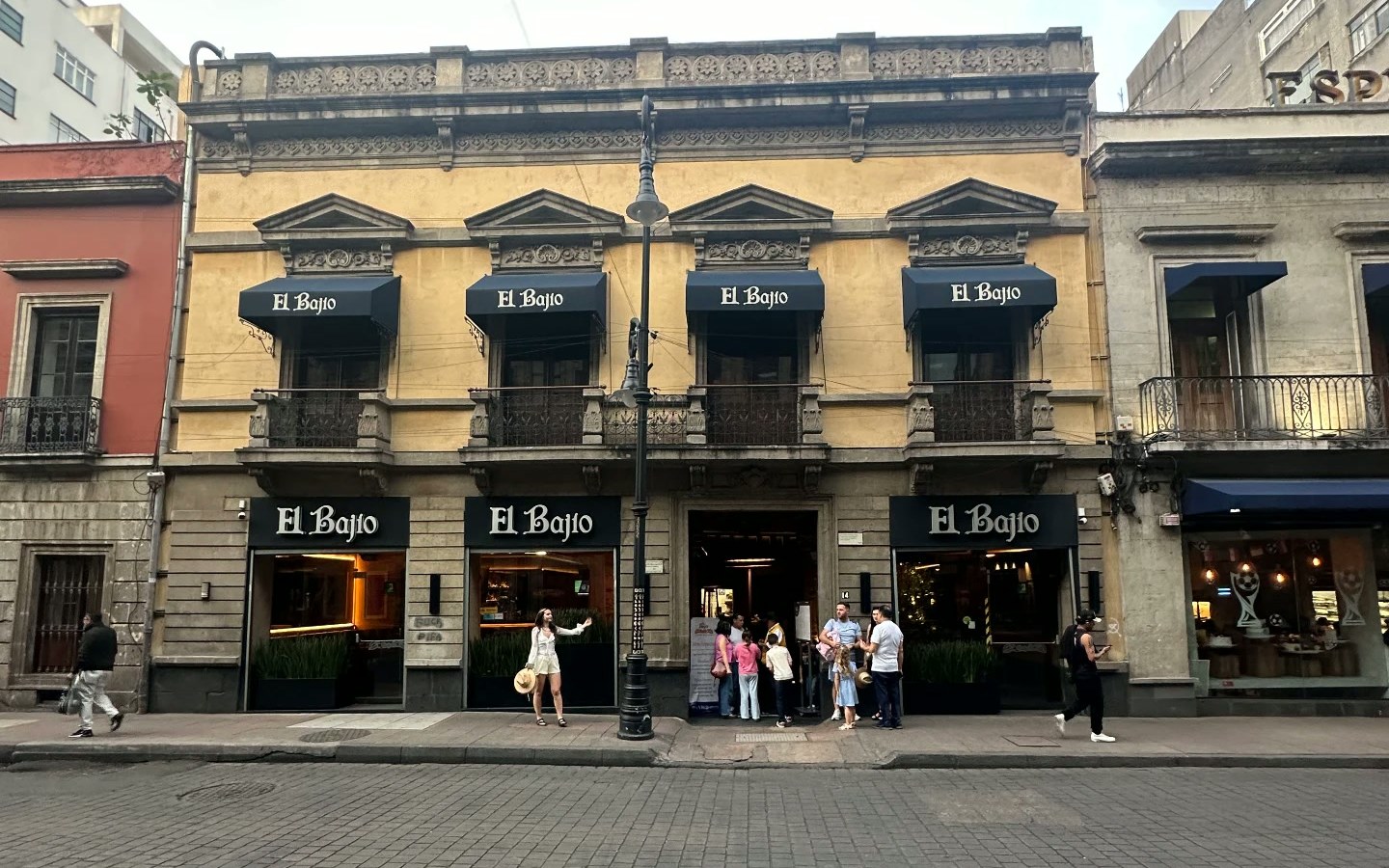
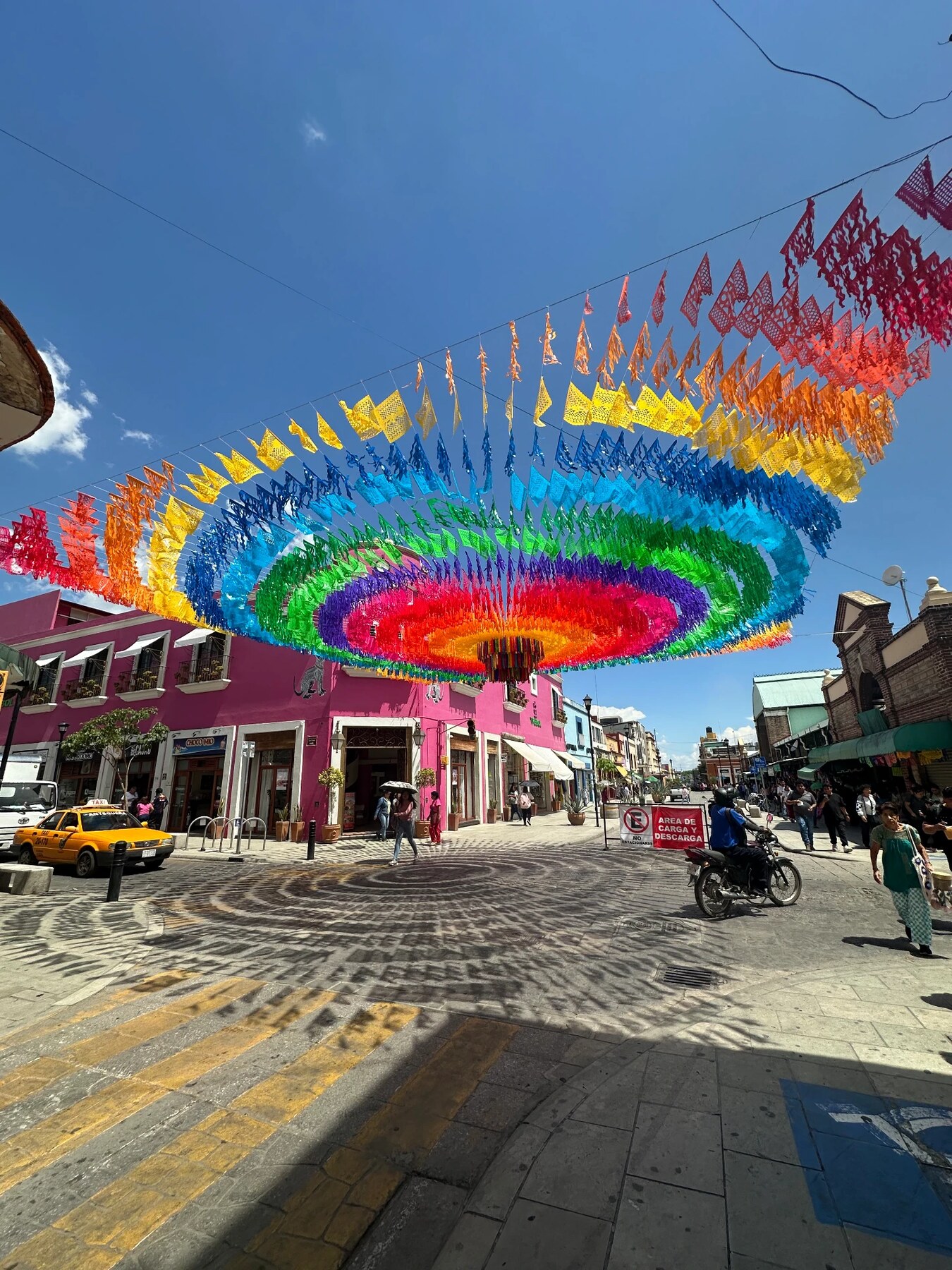
Mexico City
El Bajío — Centro Histórico
One of the family tables where our recipes were learnt, long before they crossed the Atlantic to Dublin.
Titita
The woman who built El Bajío
In every Mexican family there is one person the food belongs to. In mine it is Titita — Carmen “Titita” Ramírez Degollado, born in Xalapa, Veracruz, and raised in nana Amparo’s kitchen, learning the way every great Mexican cook learns: standing at the stove, tasting, being told again, and doing it again until it was right.
Her kitchen starts before the sun does. Chiles toasted until they bloom and ground the same day. Salsas made by hand, to order — salsa roja deep and smoky, pico de gallo chopped fine moments before it is eaten. Barbacoa wrapped and left to steam overnight. Birria braised low until it gives way on the spoon. Cochinita pibil rubbed with achiote and buried in banana leaf. Al pastor marinated for the trompo. Tortillas on the comal until they blister. Nothing leaves her kitchen that she has not tasted herself, and nothing leaves it in a hurry.
In 1972 she opened the first El Bajío — one small blue dining room on Avenida Cuitláhuac in Mexico City. Today her food is served in more than twenty restaurants across Mexico and one in Madrid, and every single one of them still opens the same way.
The awards came for that cooking, and they have never stopped — honours from across Mexico and far beyond it, and her name spoken among the most important traditional cooks in the country. She has never called herself a chef. She says she is a cook, and that the main ingredient in everything she makes is love. Sit at her table once and you will understand: that is the truth, not modesty.
“I am not a chef; I am a cook.”
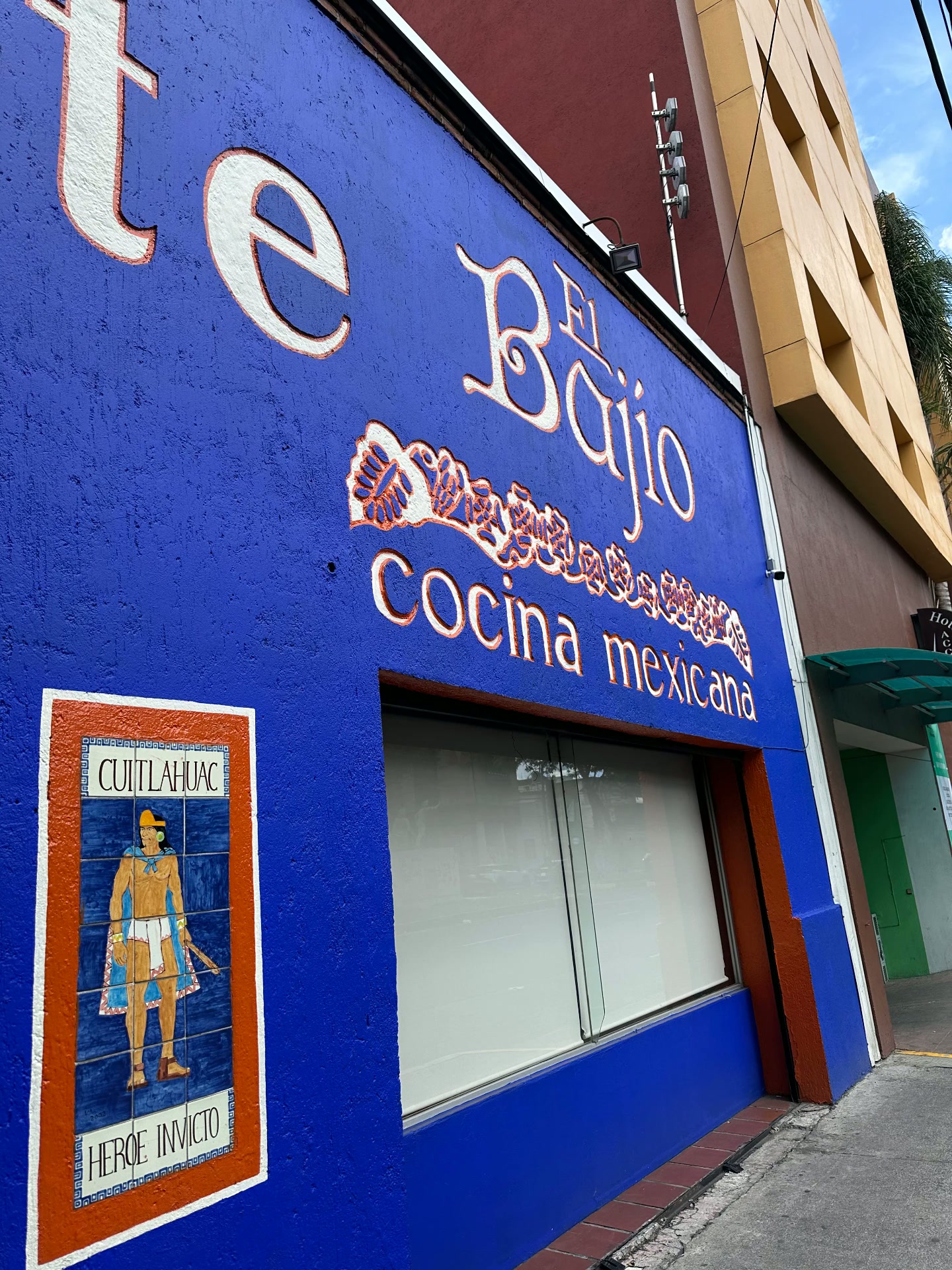
1972 — where it all began
The first El Bajío, on Avenida Cuitláhuac
The blue room she opened — the one Titita still watches over more carefully than any other.
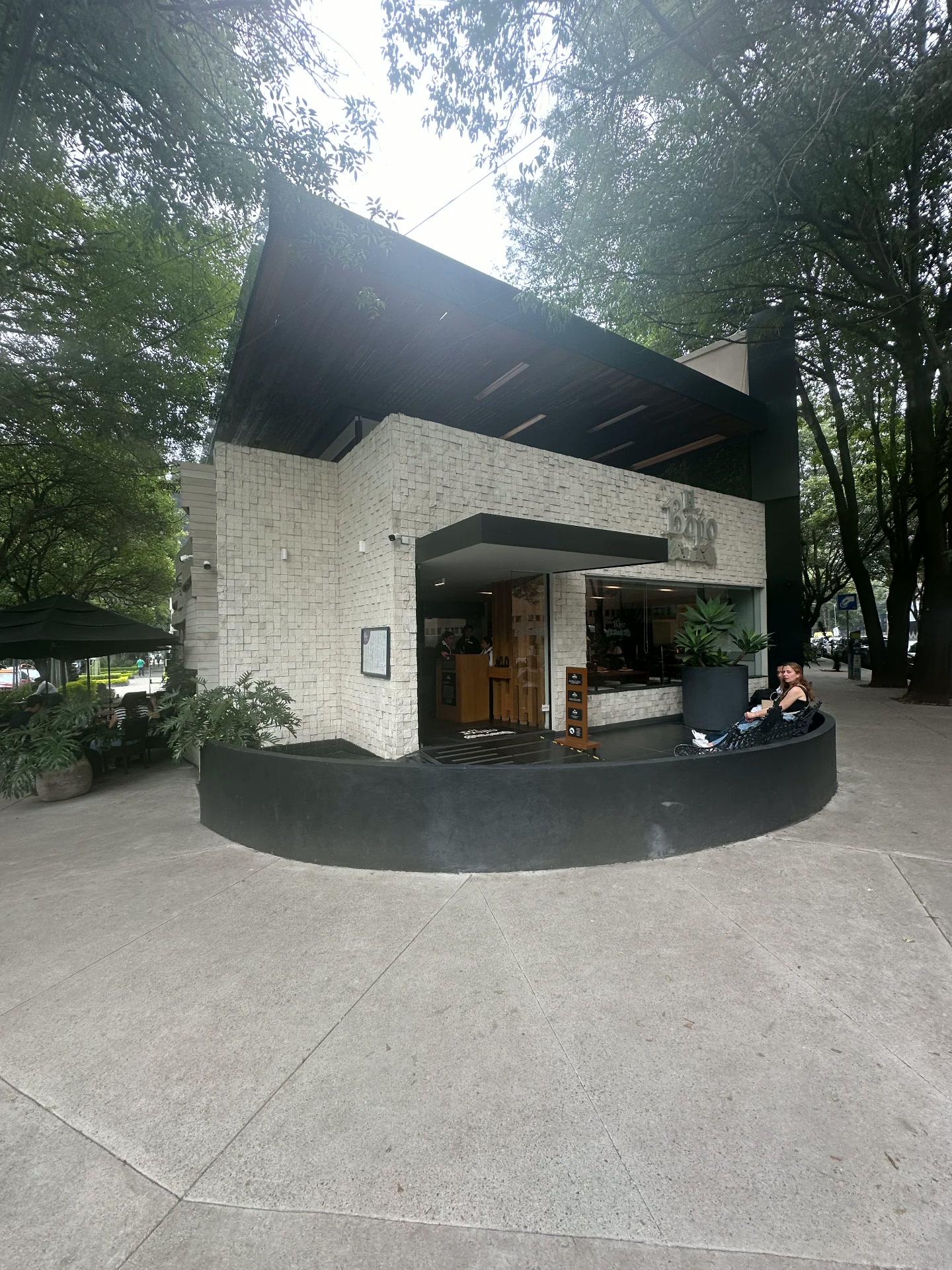
The same family, grown
More than twenty restaurants , and one in Madrid
El Bajío, Mexico City — photos taken on our trips
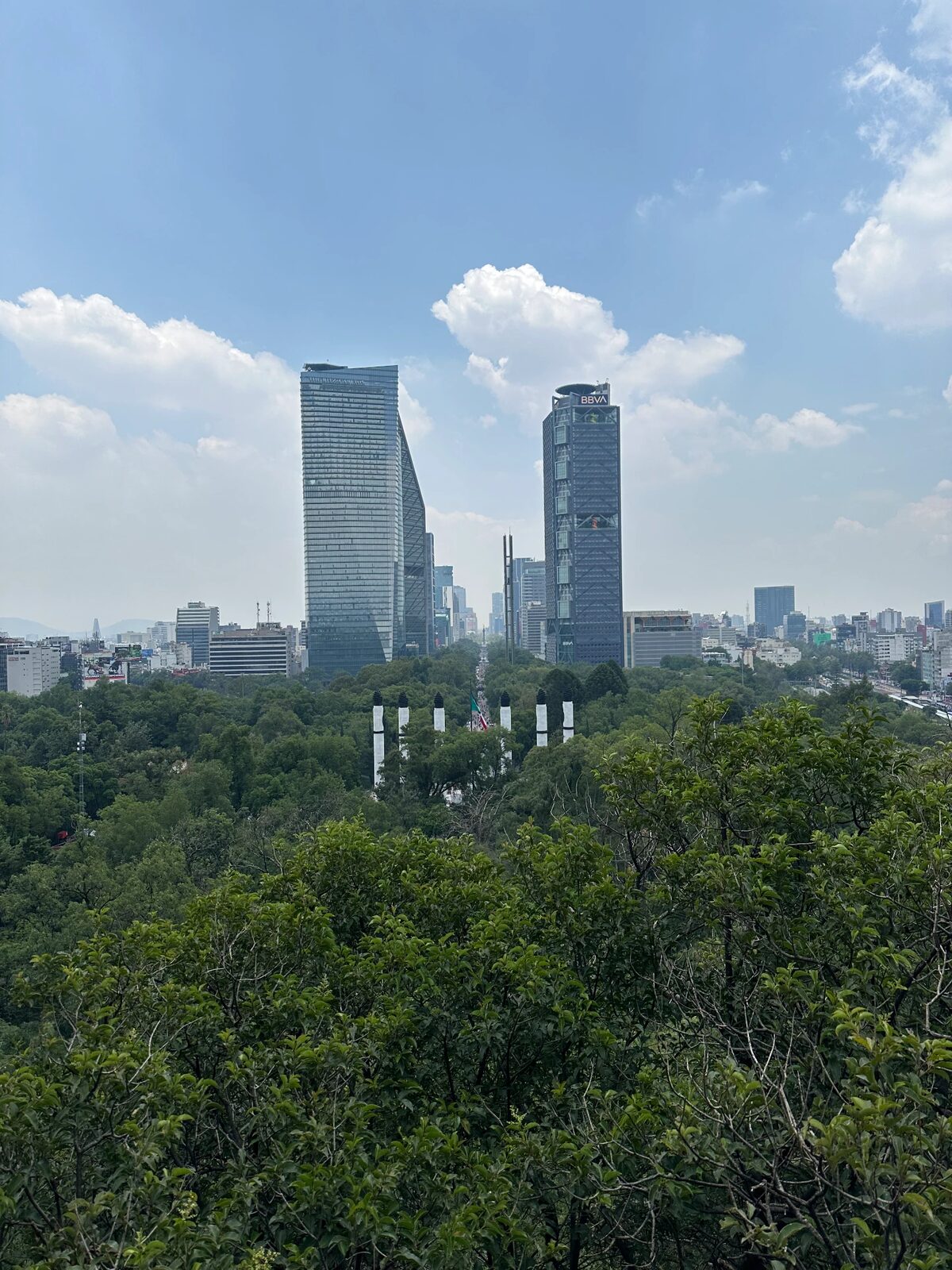
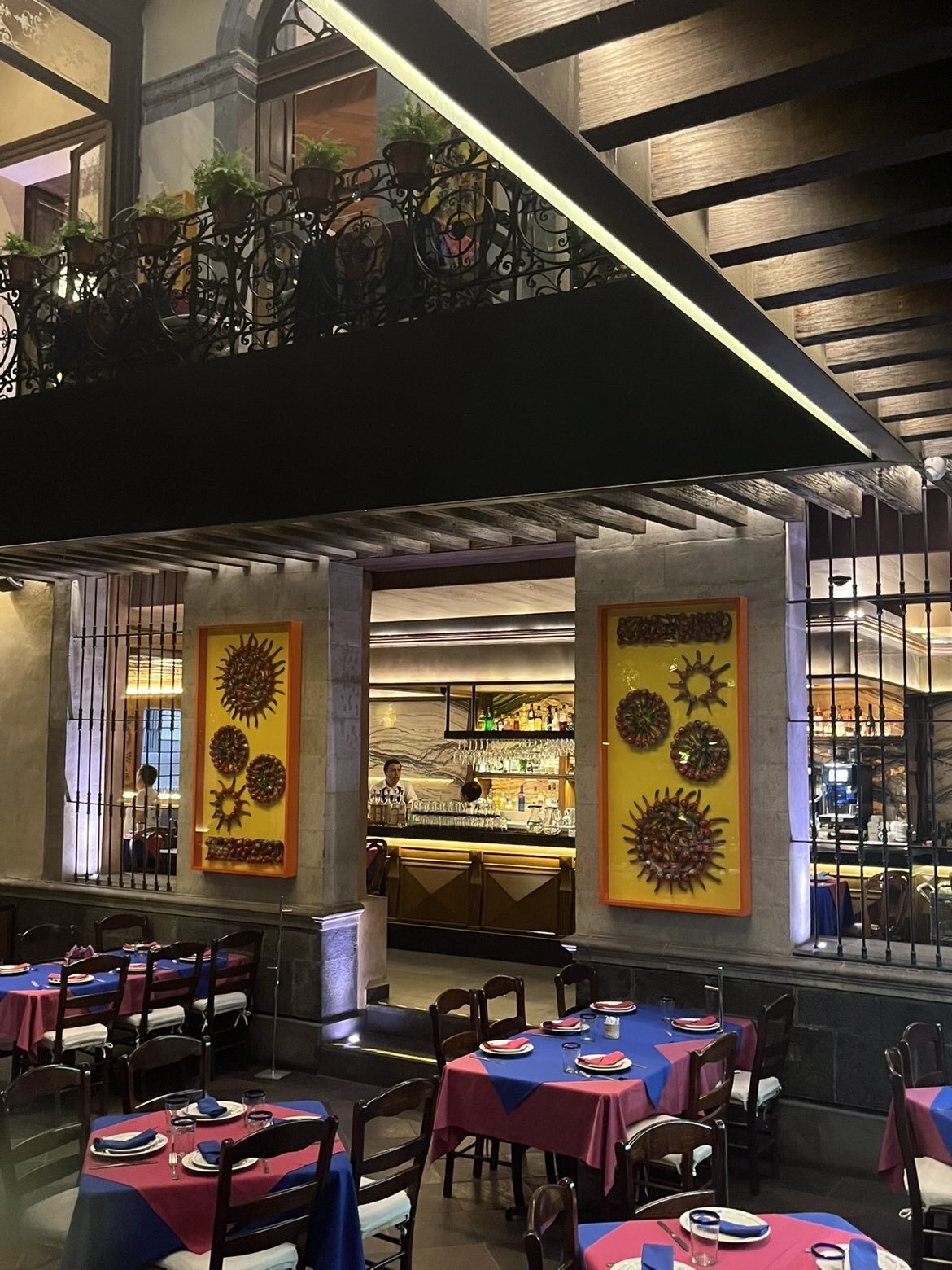
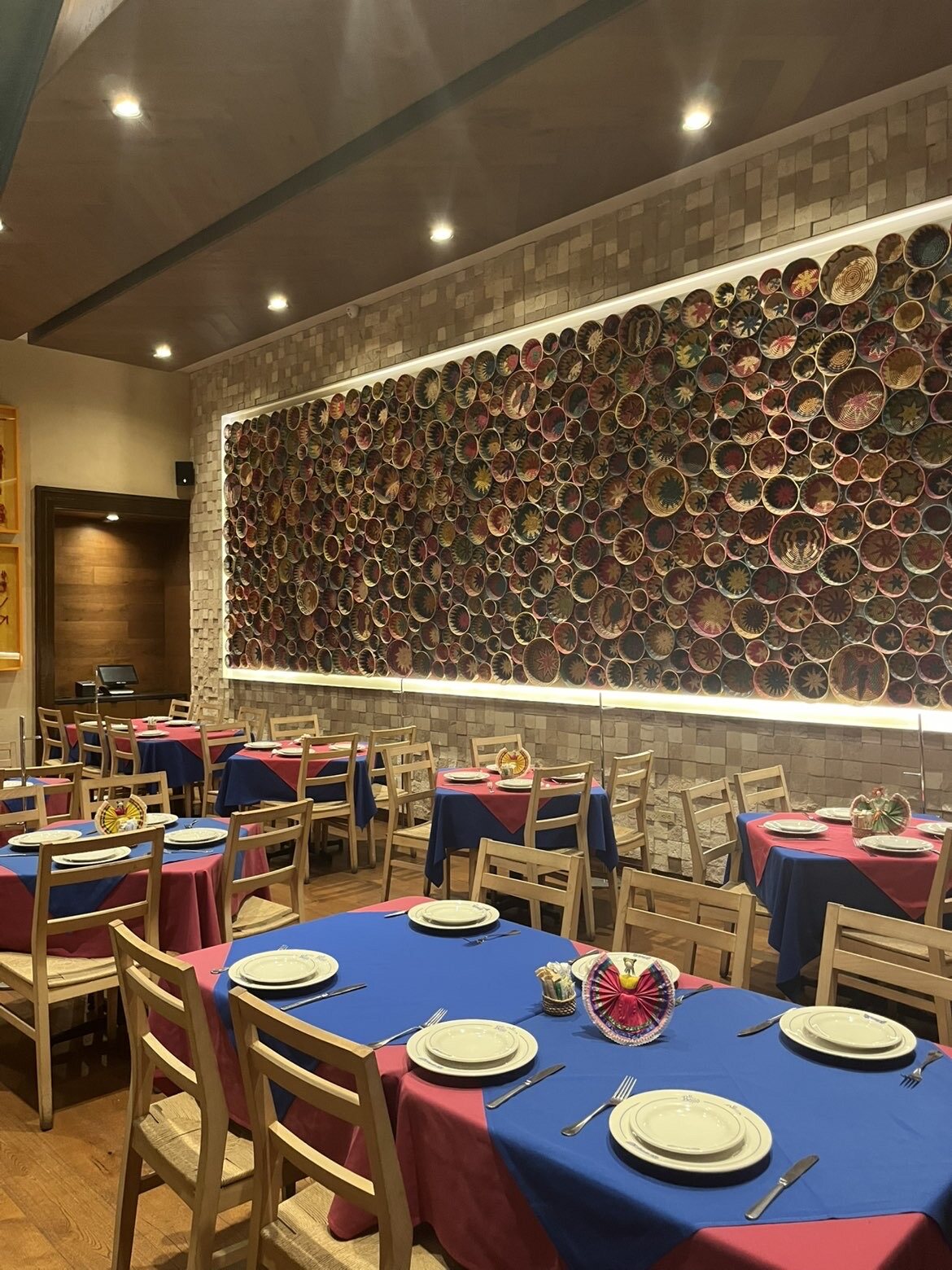
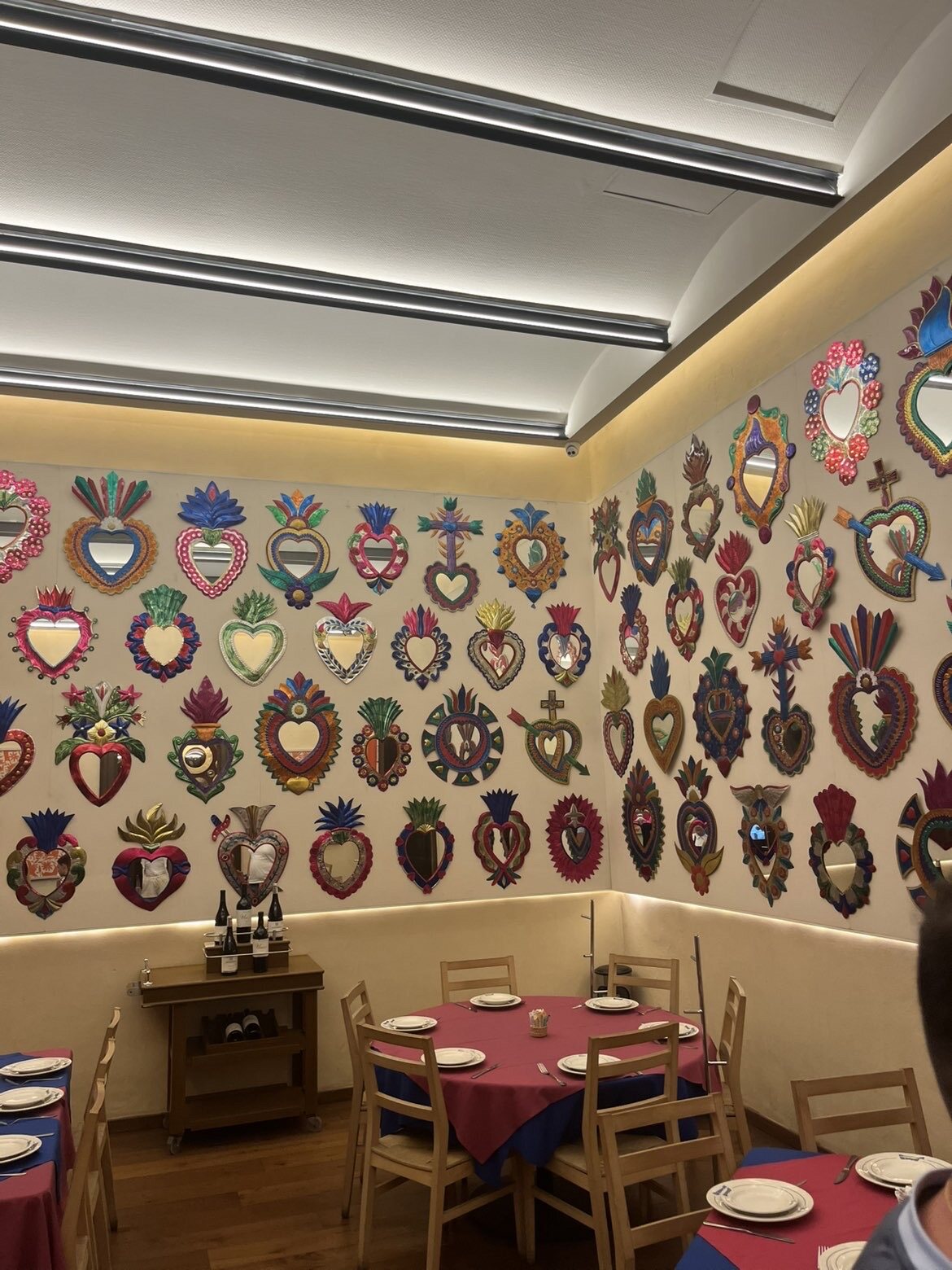
Her city, and inside her rooms — the bar, the basket wall, the sacred hearts
Me and her
Her recipes live in our truck
Titita is my grandmother, and when I go to Mexico I do not go to be looked after — I go to work. To learn more and more about cooking Mexican food.
Nothing in that kitchen is written down. She puts a bowl in front of you, tells you to taste, and asks what is missing. Then you do it again. And again. Until one day you hear the answer before she has to say it — and she says nothing at all, which is the highest praise she gives.
That is how her recipes came to me, and that is how they crossed the Atlantic in my head. The salsas: pico de gallo chopped fresh, salsa roja toasted and ground the way she showed me. The meats: barbacoa slow-steamed overnight, birria braised until it falls apart, cochinita pibil wrapped in banana leaf, al pastor marinated for the trompo. Every one of them learned at her side — and every one of them is exactly what we cook in the truck today.
What she asks of me never changes: no shortcuts, feed people properly, never send out a dish you have not tasted yourself. It is why our food tastes the way it does. Carried home to Ireland and cooked the way she taught me.
Everything good that comes out of our truck started at her stove.
Three years on the road
Real Mexican food, made properly
ROBERTO — THE COOK
Everything you eat is cooked by me. I am Roberto Ramírez Degollado, I run this truck and I cook in it: the salsas chopped and ground fresh for every market, festival and private event, the meats marinated and cooked the way my grandmother taught me, the ingredients chosen because they are the freshest we can find, never because they are the easiest.
Three years now we have been on the road — Sunday markets, summer festivals, weddings and corporate days, in towns and counties right across Ireland. That hatch has put us face to face with people of every nationality, we love when we get Mexican customers, because they know exactly what a taco is supposed to taste like. When they tell us ours is the best they have had in Ireland, that is the review we care about most.
Pepe — behind the truck
None of this runs on one person. My father José — Pepe, Titita’s son — is the one forever in the air, back to Mexico to choose the chiles, the achiote and the spices himself, to walk the markets and work out what we are not doing yet, and to keep the connection between her kitchens in Mexico and this truck in Ireland as tight as it can be.
Nothing here was arrived at quickly. We have spent months, weeks, days and hours in Mexico — trailing markets from one state to another, standing in kitchens before service, cooking and cooking until a recipe finally came out right, and listening to people who have cooked this food all their lives. That is the work behind every dish we serve.
We took the truck to a Mexican Independence Day celebration in Dublin and the feedback was the best we have had yet. That is what this is for — real Mexican food, brought here and cooked the way it should be. Three years in, and the aim is only to do it for more and more people.
What we bring back from home
The Ingredients and chilis we carry home from Mexico
When we fly back from Mexico, our suitcases are heavier than the clothes inside them. Dried chilis don’t look like much — wrinkled, dusty, quiet in the bag — but they are the whole flavour of our kitchen, and they’re the one thing we will never buy second-hand. Every chilli in our meats and salsas was picked by us, in Mexico, and carried home in our own hands.
We travel to Oaxaca to choose them ourselves. We walk the stalls, turn the chilis over, smell them, taste them — the way our families taught us — and we only come home with the ones that taste right. No middleman, no mystery sack, no guesswork.
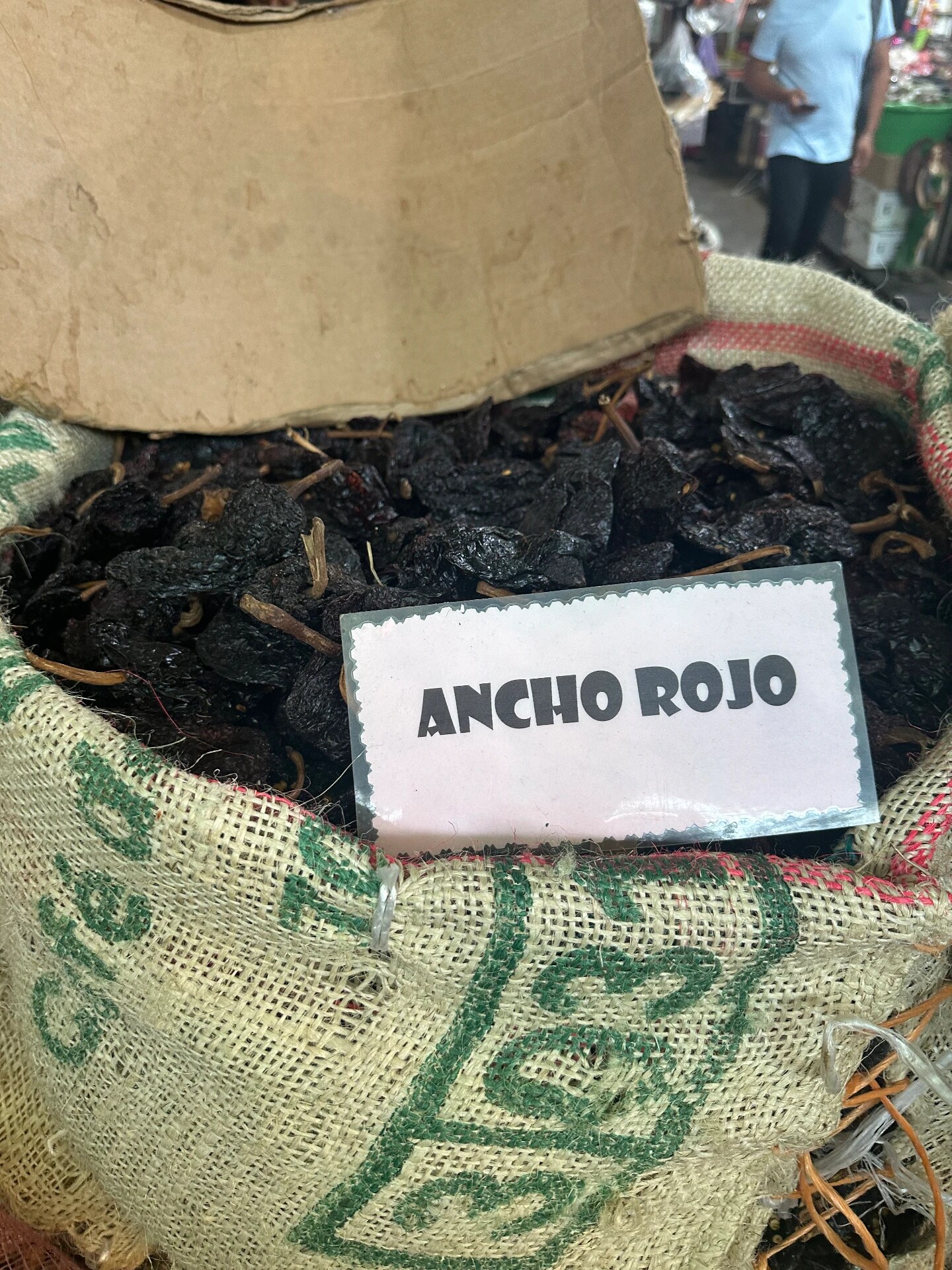
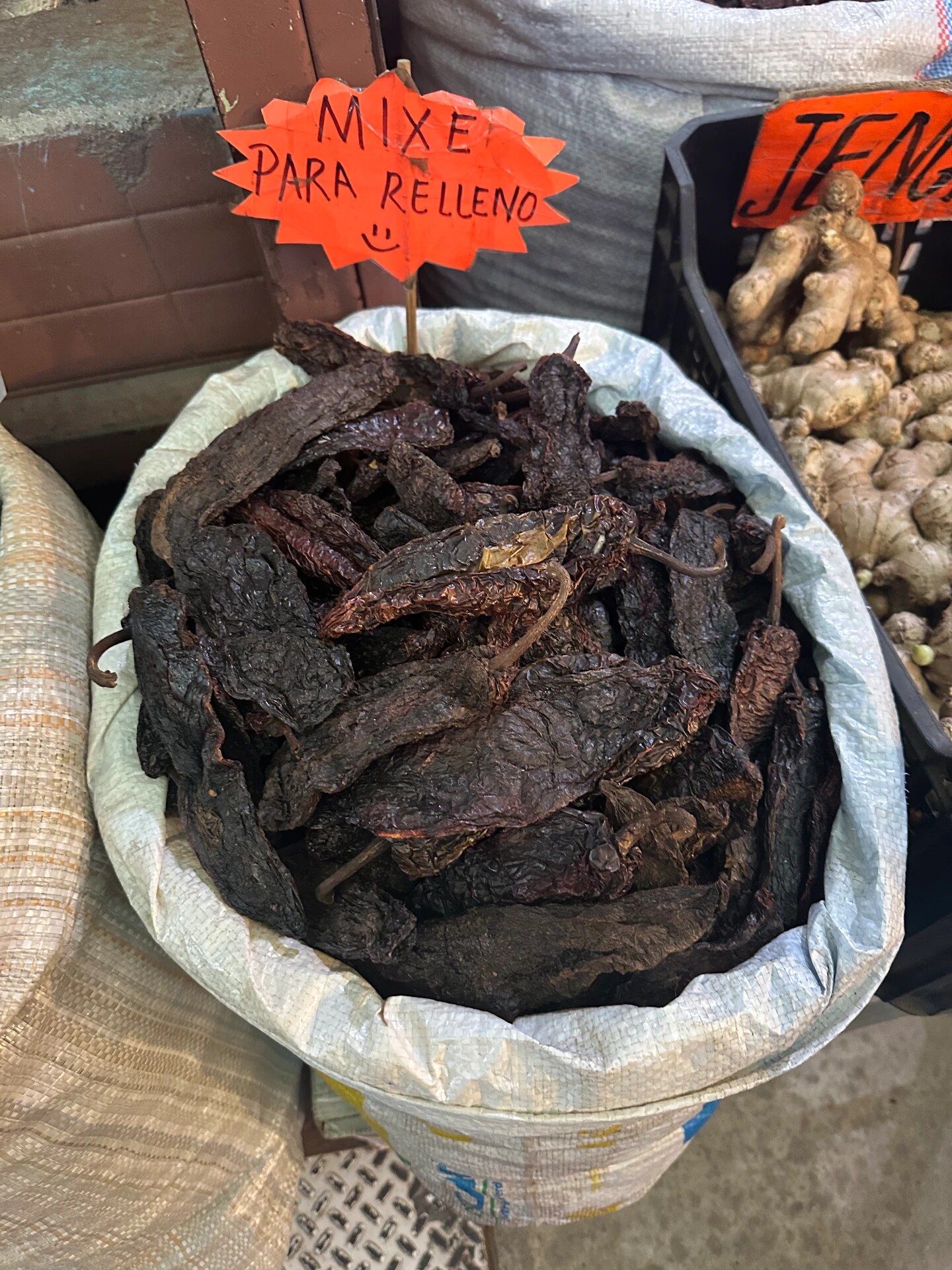
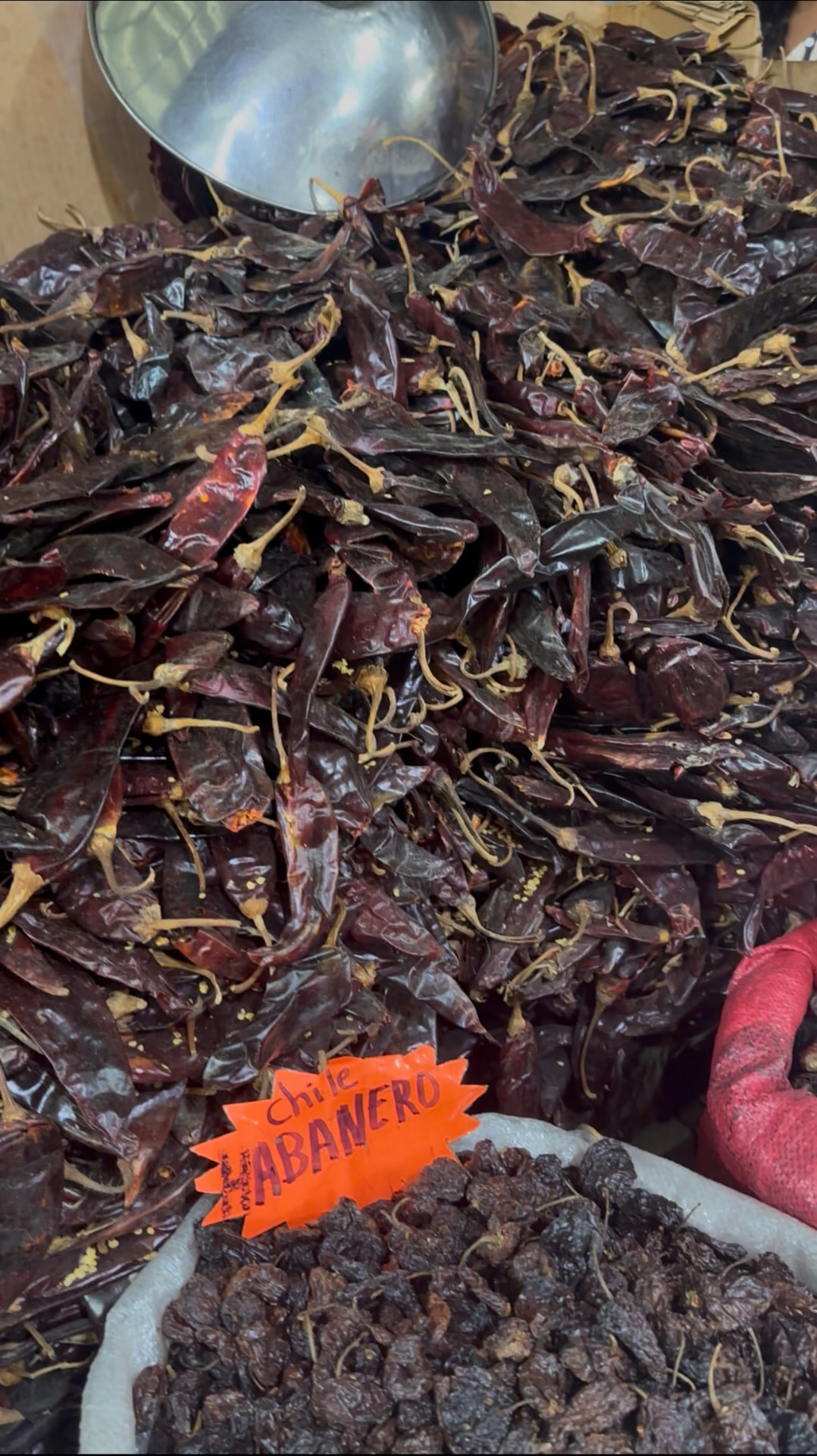
Chosen by hand on the market stalls of Oaxaca
What each one looks like — and how hot it is
Four chiles, four completely different characters. Once you know what to look for, you can tell them apart from across a market stall.
- Ancho
- Heat level: mild — sweet, with very little bite
- Broad, flat and dense, with a deep brick-red skin that darkens almost to black. Supple rather than brittle: it folds under the hand without breaking.
- Ancho is a poblano left on the plant until it ripens fully red, then dried in the sun. That long, hot finish to the growing season is exactly what Ireland's climate cannot offer, so dried chiles sold here are imported and usually from an earlier harvest.
- Pasilla
- Heat level: gentle — a faint warmth only
- Long and slender, near black, with a fine satin finish and the stem left intact. The skin is thin and delicate, closer to a dried leaf than a pepper.
- Cultivated in the high valleys of central Mexico and dried flat in the sun. It is effectively unavailable in Ireland — the packets on the shelf are generally a different variety sold under a similar name.
- Guajillo
- Heat level: medium — a steady warmth, not a burn
- Translucent ruby-red, smooth and glossy, firm enough to snap cleanly in half. Colour is the clearest quality indicator: vivid red signals the current season, faded brown an older one.
- The finest are grown in the dry highlands and sold by the sack in the Oaxaca markets, where we can assess the colour before buying. Grown in a cooler, wetter climate the same variety comes out pale and flat, and that brightness fades through packing and shipping.
- Árbol
- Heat level: hot — the one customers recognise as spicy
- Very small, roughly matchstick-length, with thin skin and a vivid scarlet colour. Dried hard and fully dehydrated, so the chiles stay dry and brittle.
- Small and thin-skinned, which means the heat arrives quickly and cleanly. We bring these in ourselves, because chiles that have travelled the longest are the first to lose their colour and aroma.
Sourced from Mexico
Achiote
Achiote is the tiny rust-coloured seed of the achiote tree, ground into a thick paste with garlic, cumin, oregano and sour orange. It’s the soul of Yucatecan cooking — the reason our pibil pork turns that deep brick red and fills the whole truck with its smell. It goes into the al pastor as well, giving the marinade its colour and that earthy, faintly peppery warmth, hot in flavour rather than in spice. We bring ours from Mexico too, because there is no honest substitute.
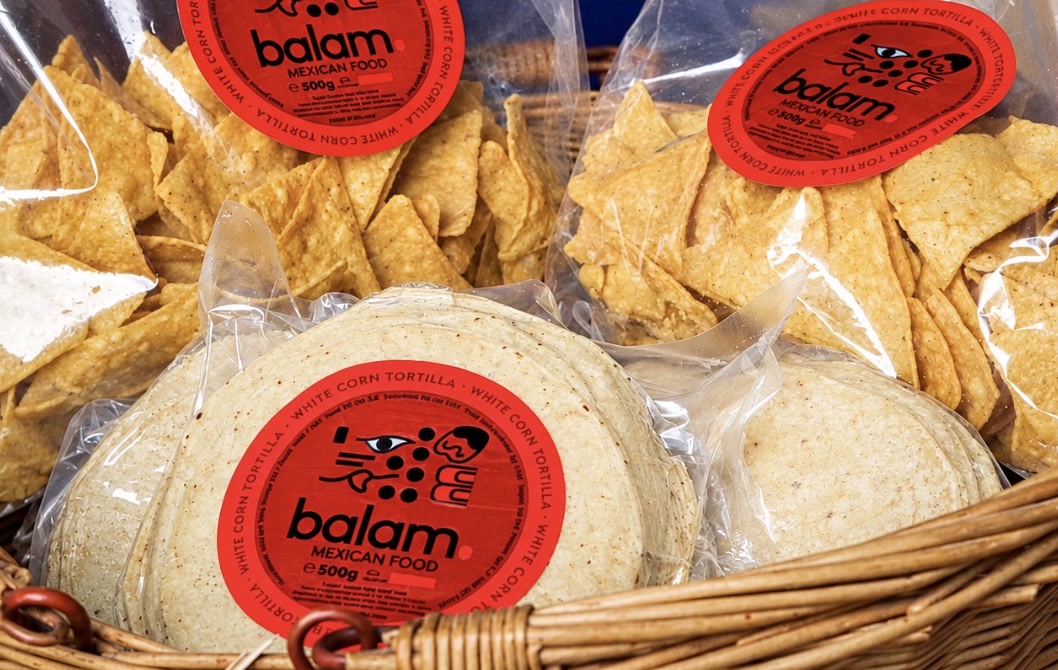
Made fresh for us
Our tortillas: Balam
A taco is only ever as good as the tortilla holding it, so we don’t compromise. We use Balam — a tortillería right here in Ireland, founded by a Mexican who wanted to make tortillas the way they’re made at home. Real Mexican ingredients, three ingredients only, pressed and cooked fresh for us. No shortcuts, no long list you can’t pronounce. The purest, freshest real Mexican tortillas you’ll find in this country — and you’ll taste it in the first bite. And because they’re pure corn, every taco we serve is naturally gluten free.
Made to order
Our nachos
Our nacho chips come from the very same Balam tortillas — same brand, same three ingredients, nothing else added. We cut them by hand and fry them to order, so they arrive crackling hot and properly crisp. No shop-bought bag of nacho chips, nothing sitting under a lamp waiting for somebody to order. Made in the truck, on the day, the same way everything else is. And cut from the same corn tortillas, our nachos are naturally gluten free too.
The cooking behind the menu
A table in Mexico, photographed by us
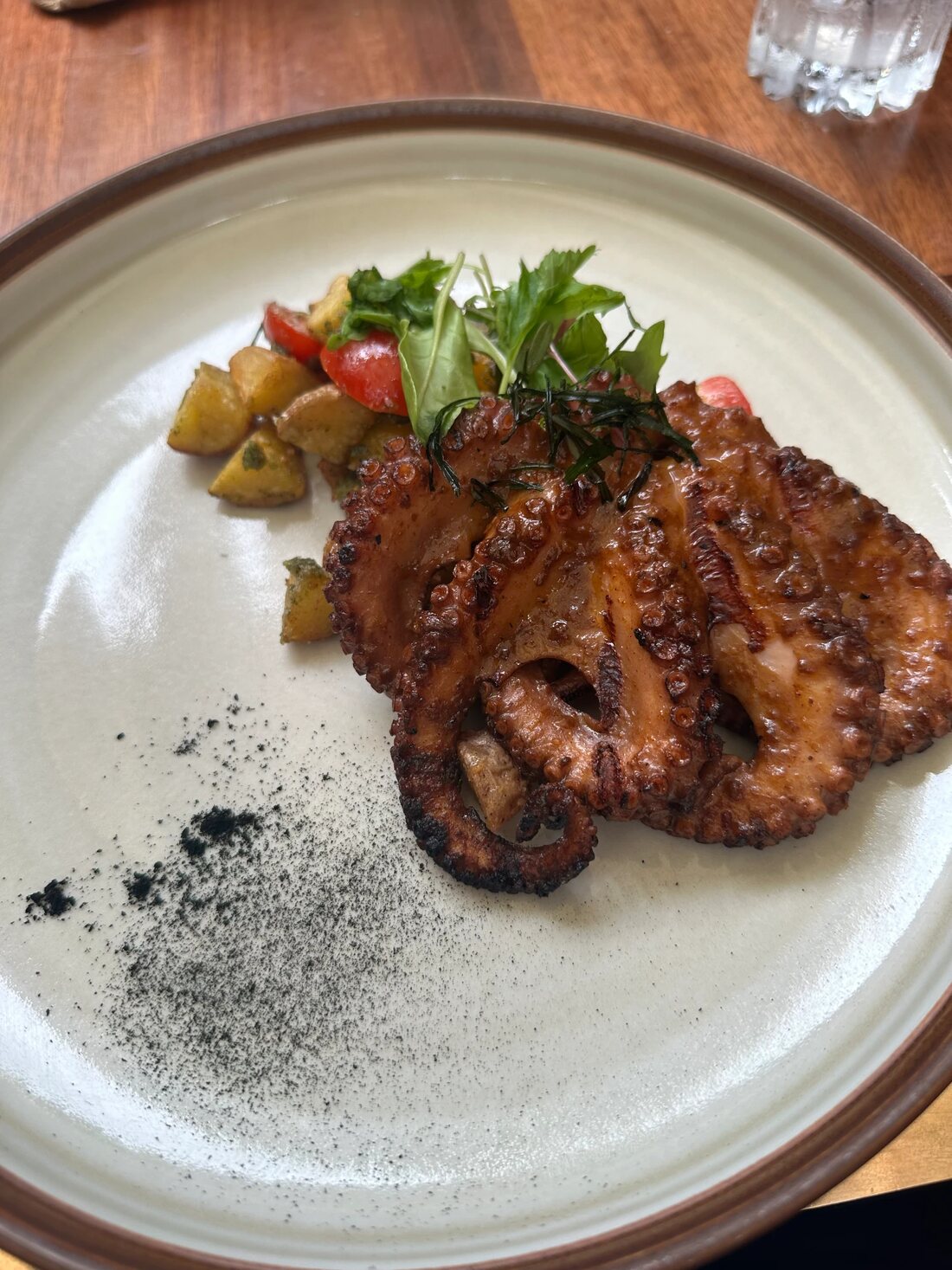
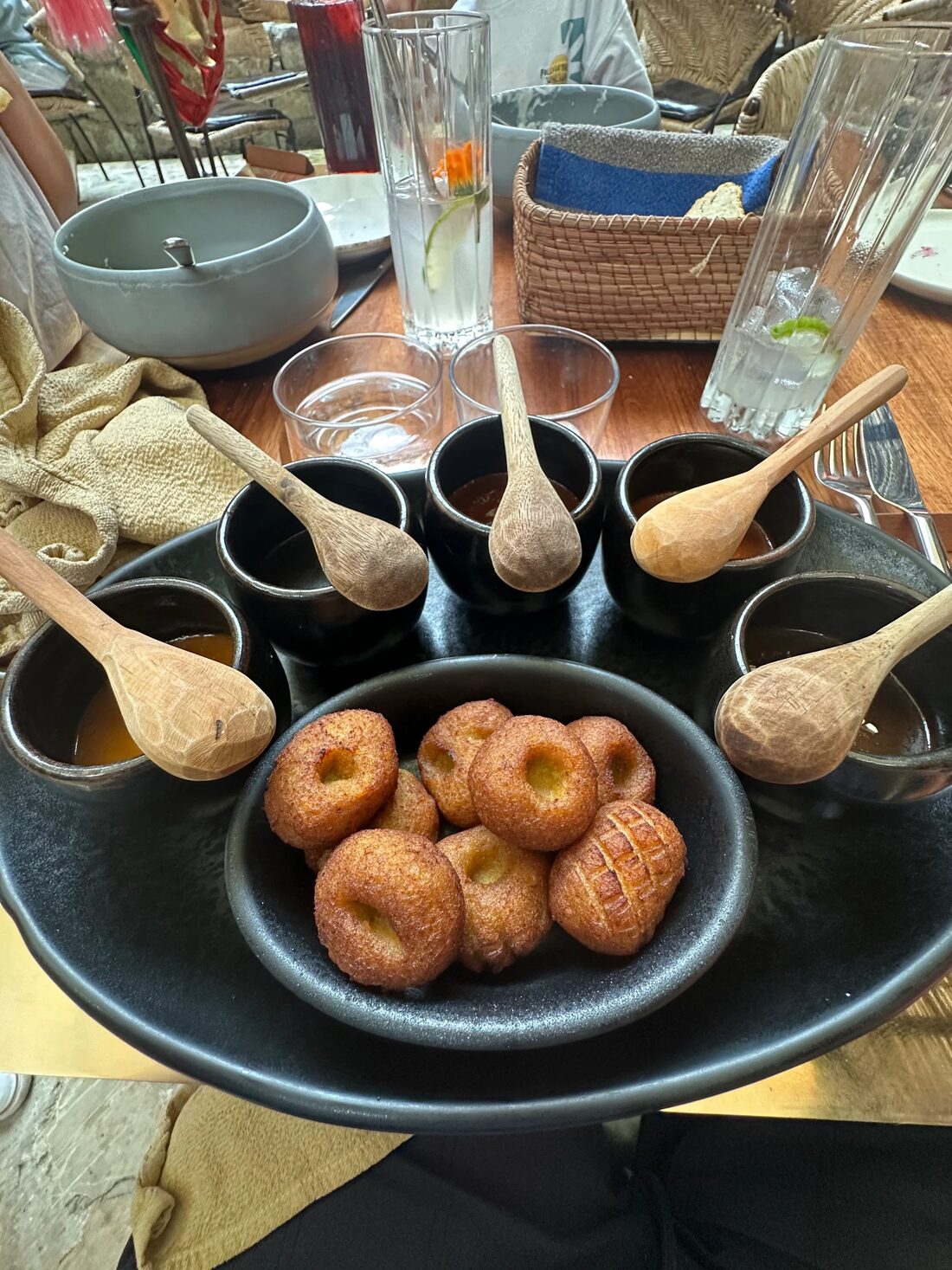
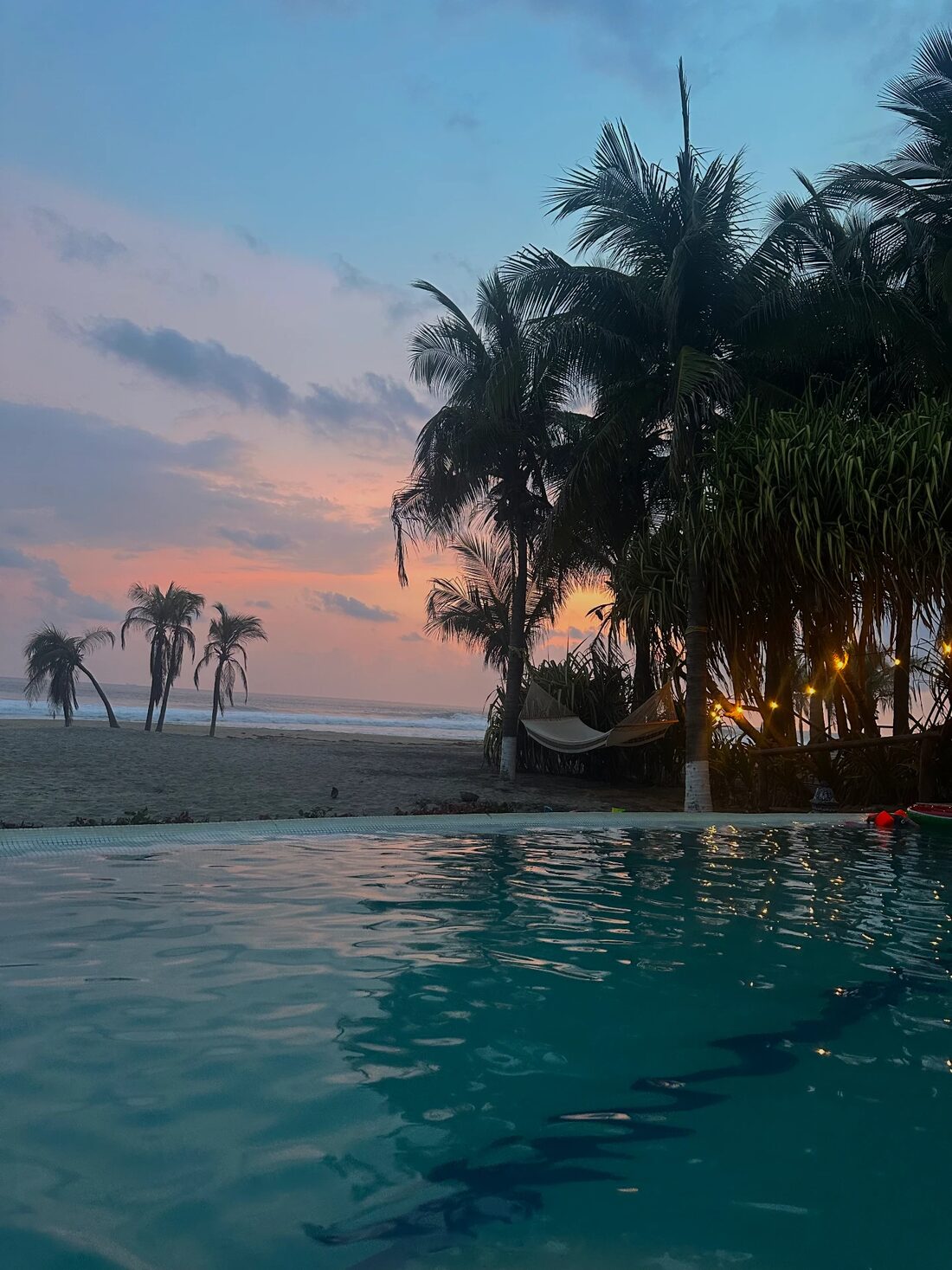
Not one of these was taken for the website. They are the meals we actually sat down to — mole, enmoladas, meat off the grill, and something sweet at the end — and they are the reason our menu looks the way it does.
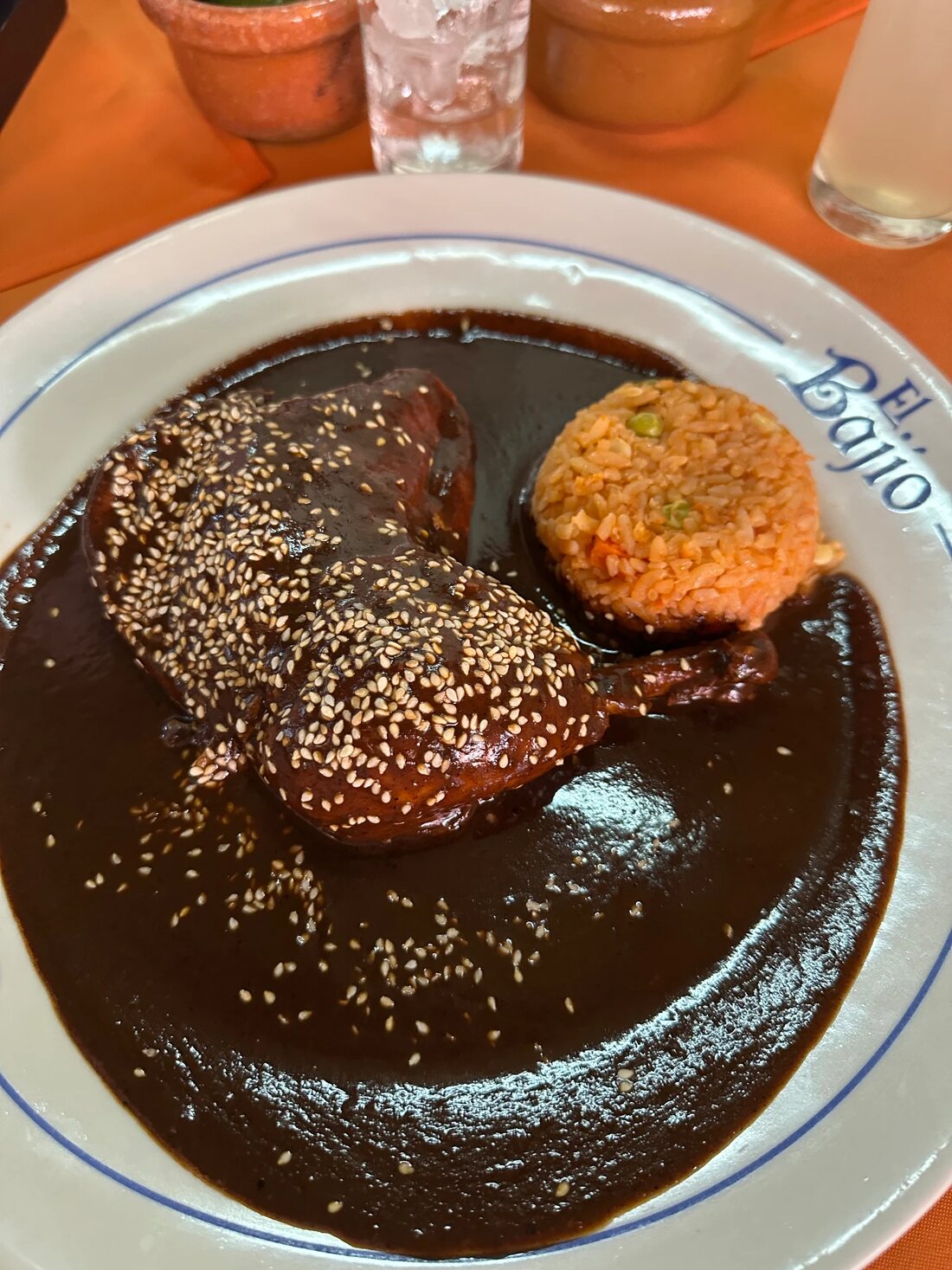
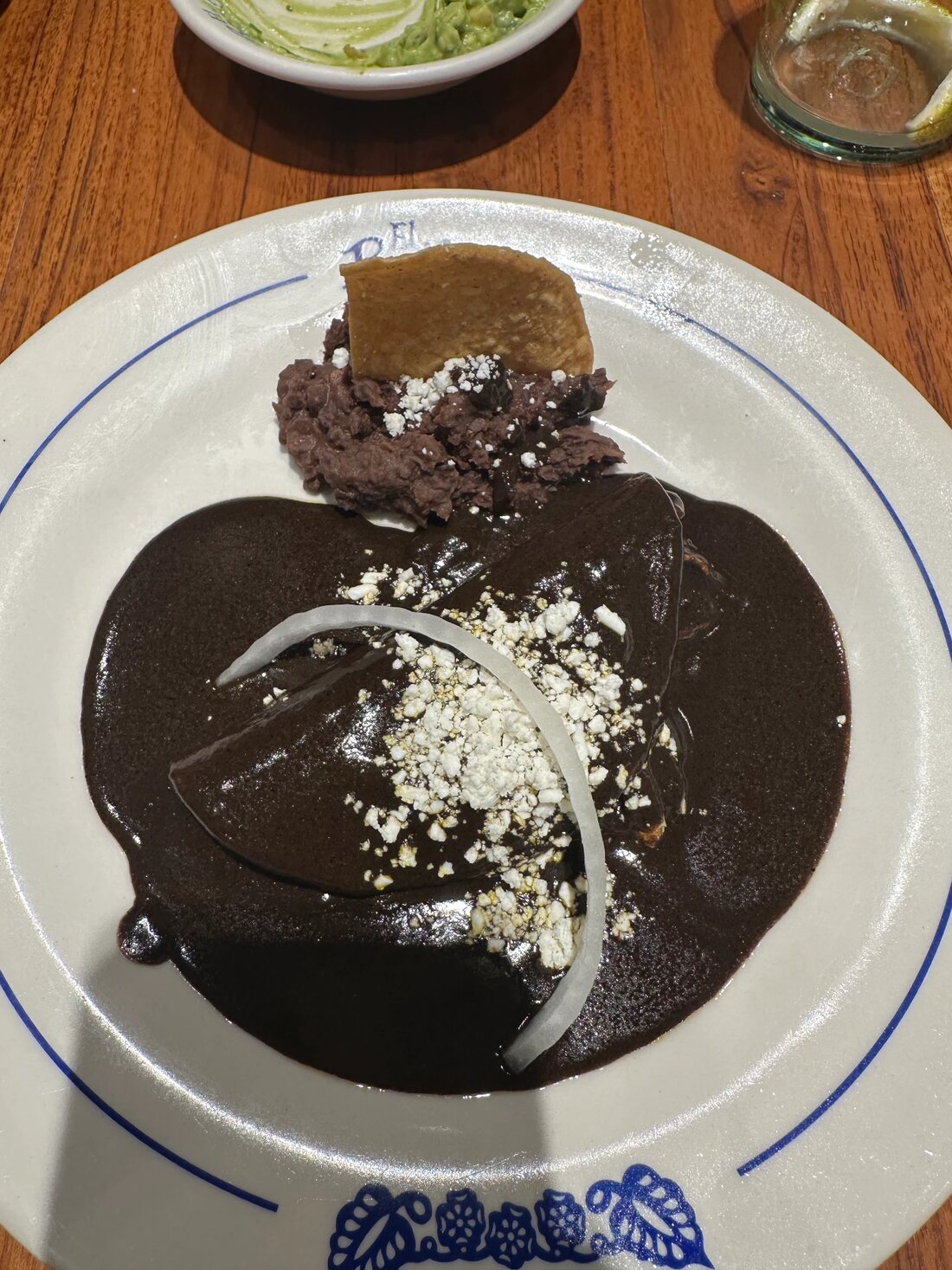
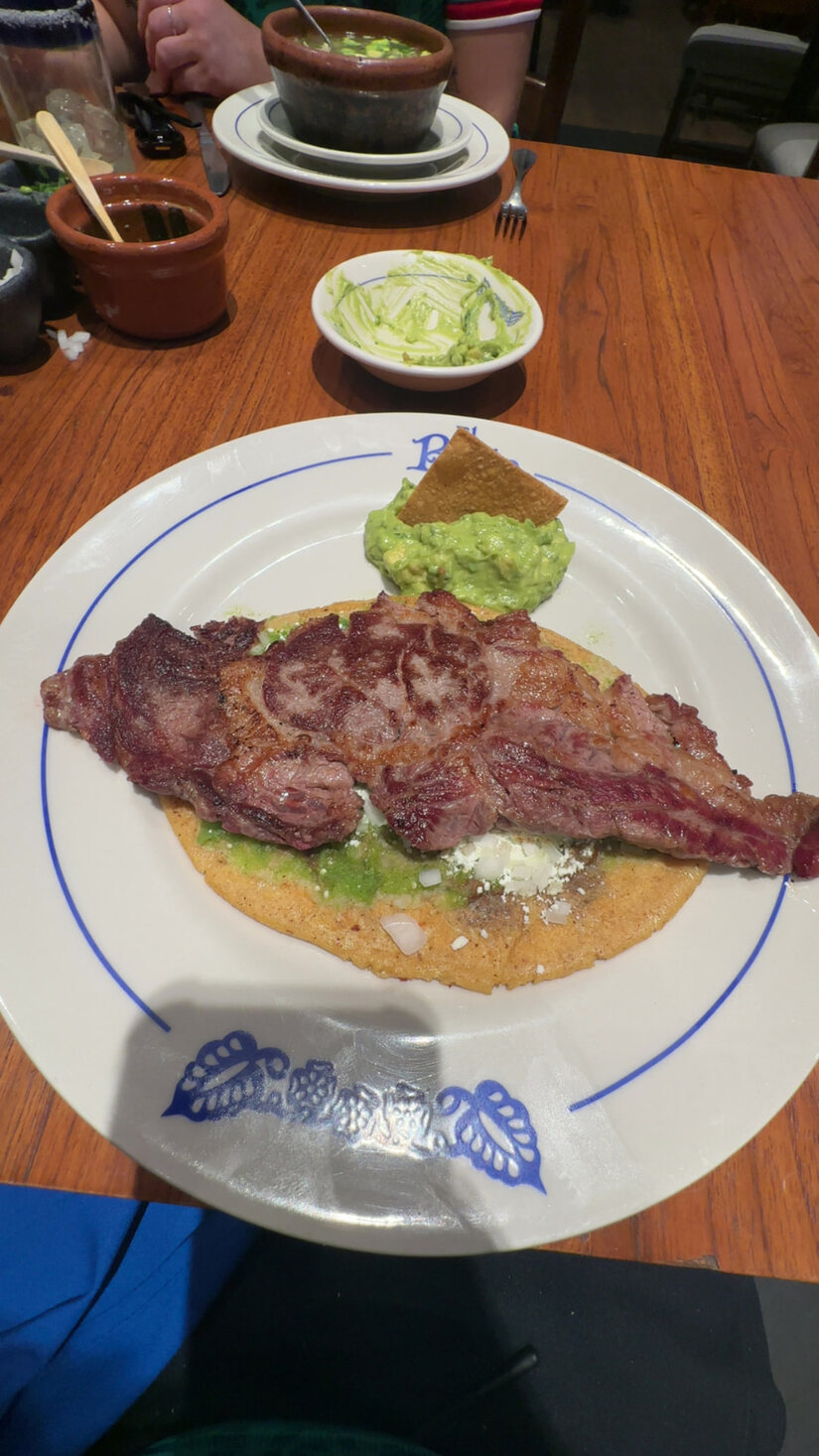
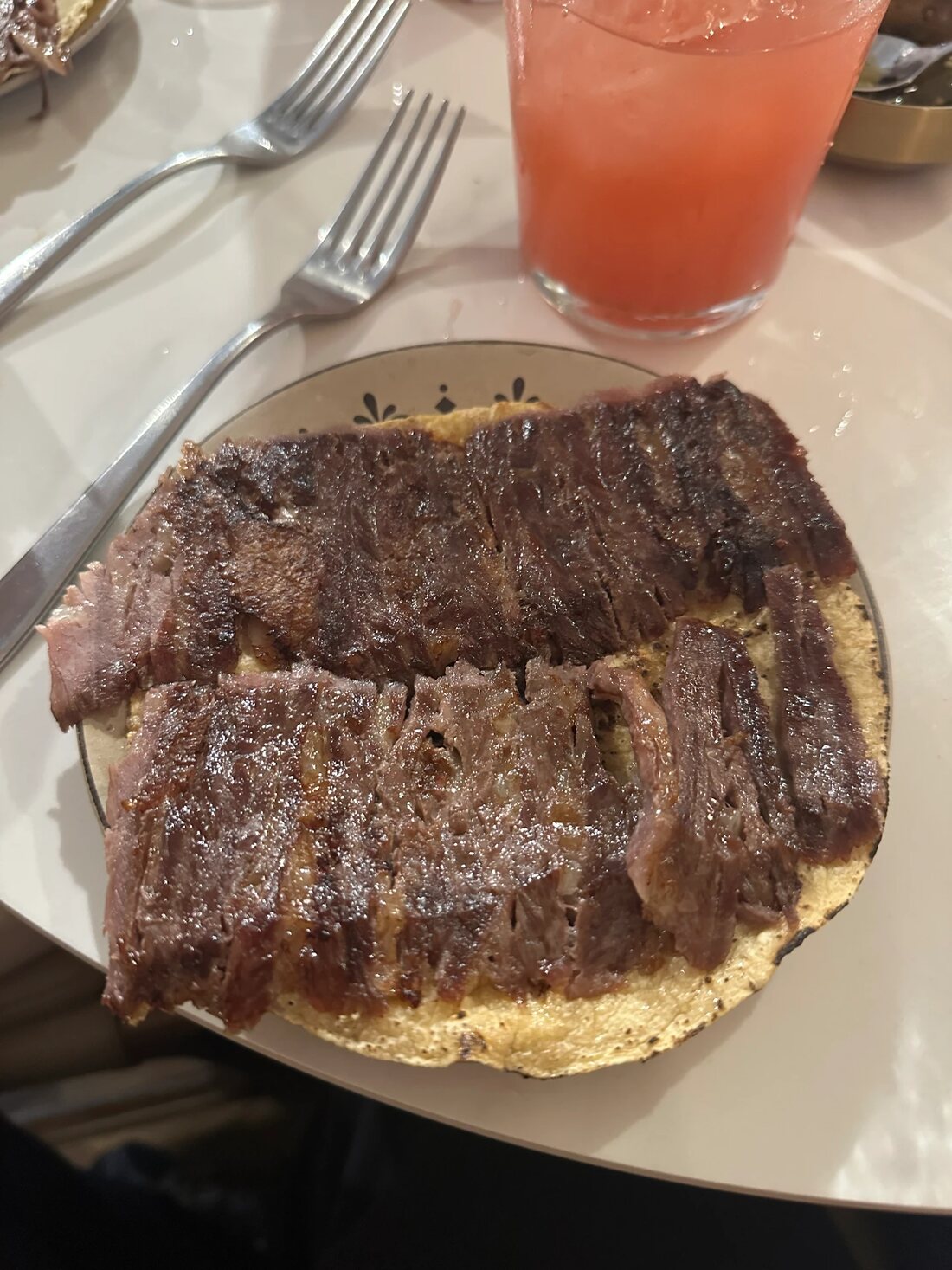
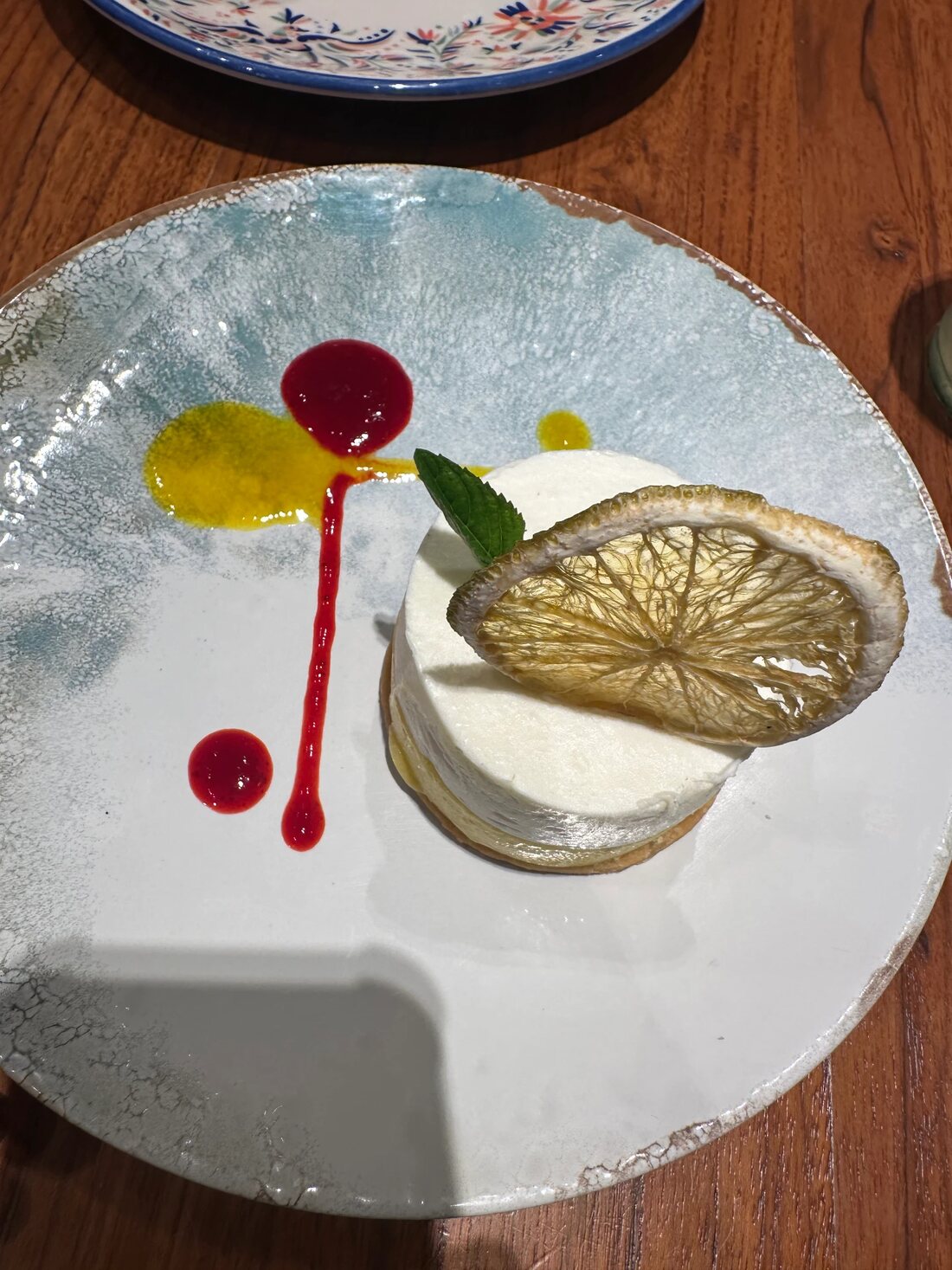
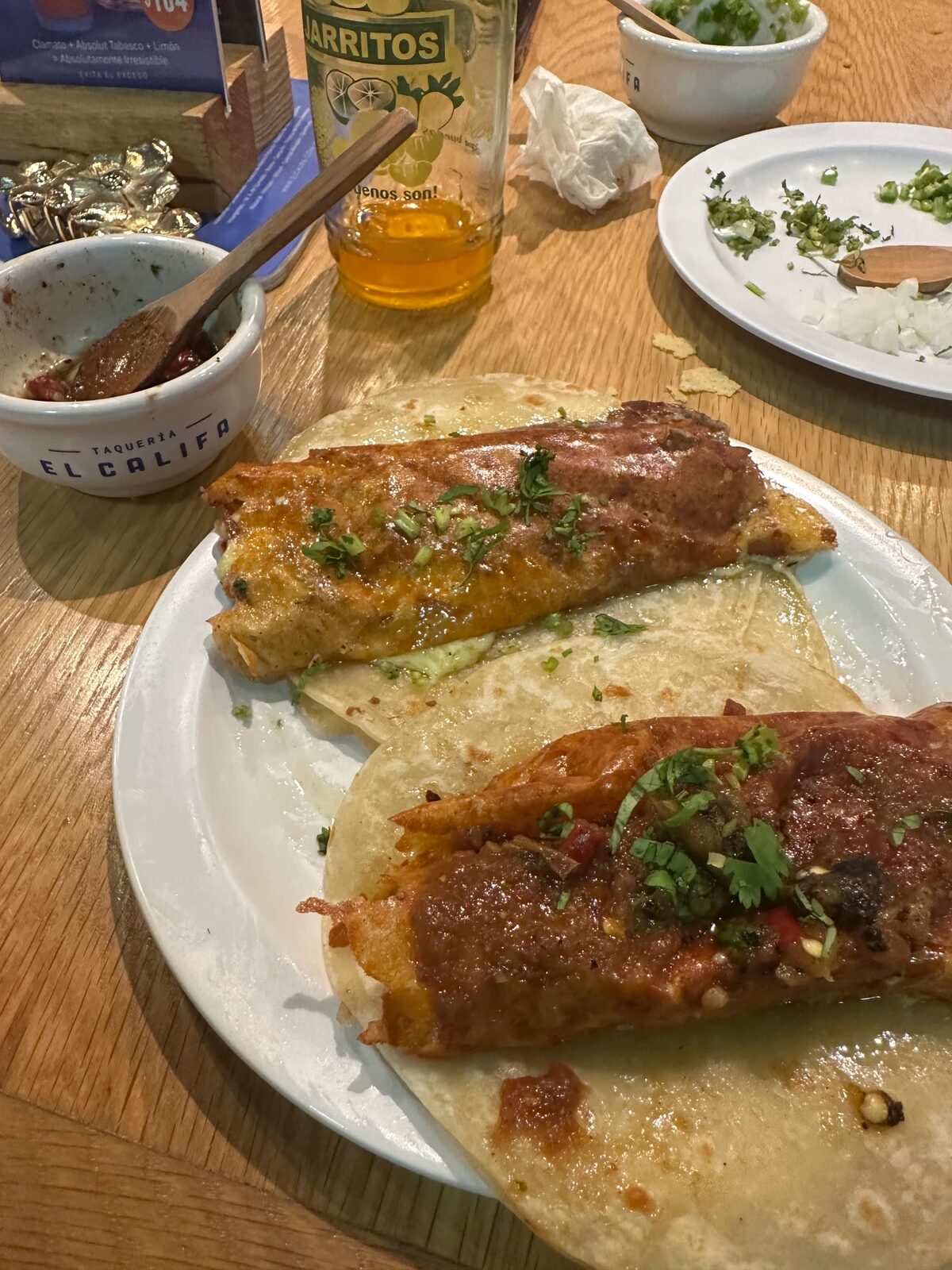
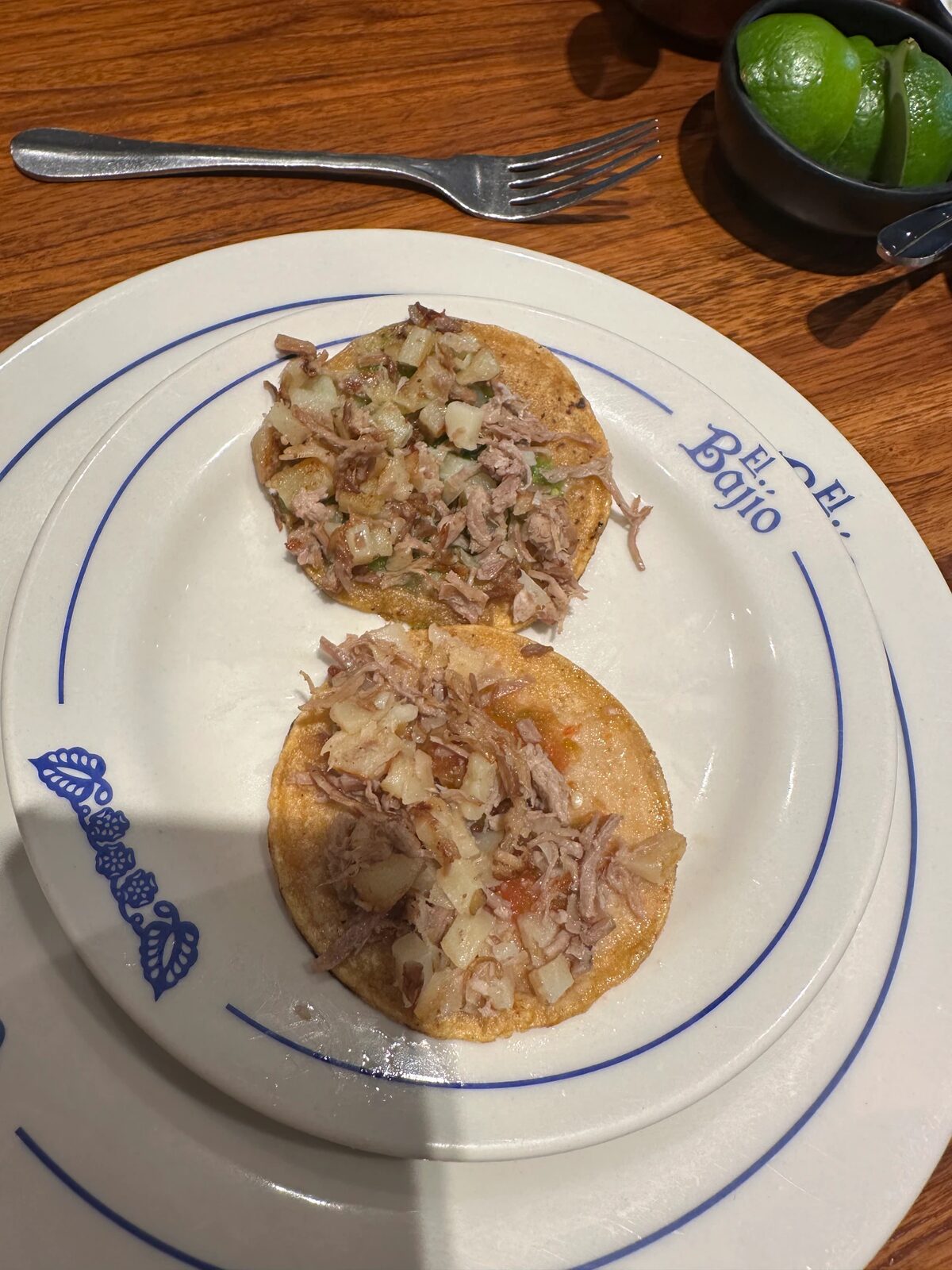
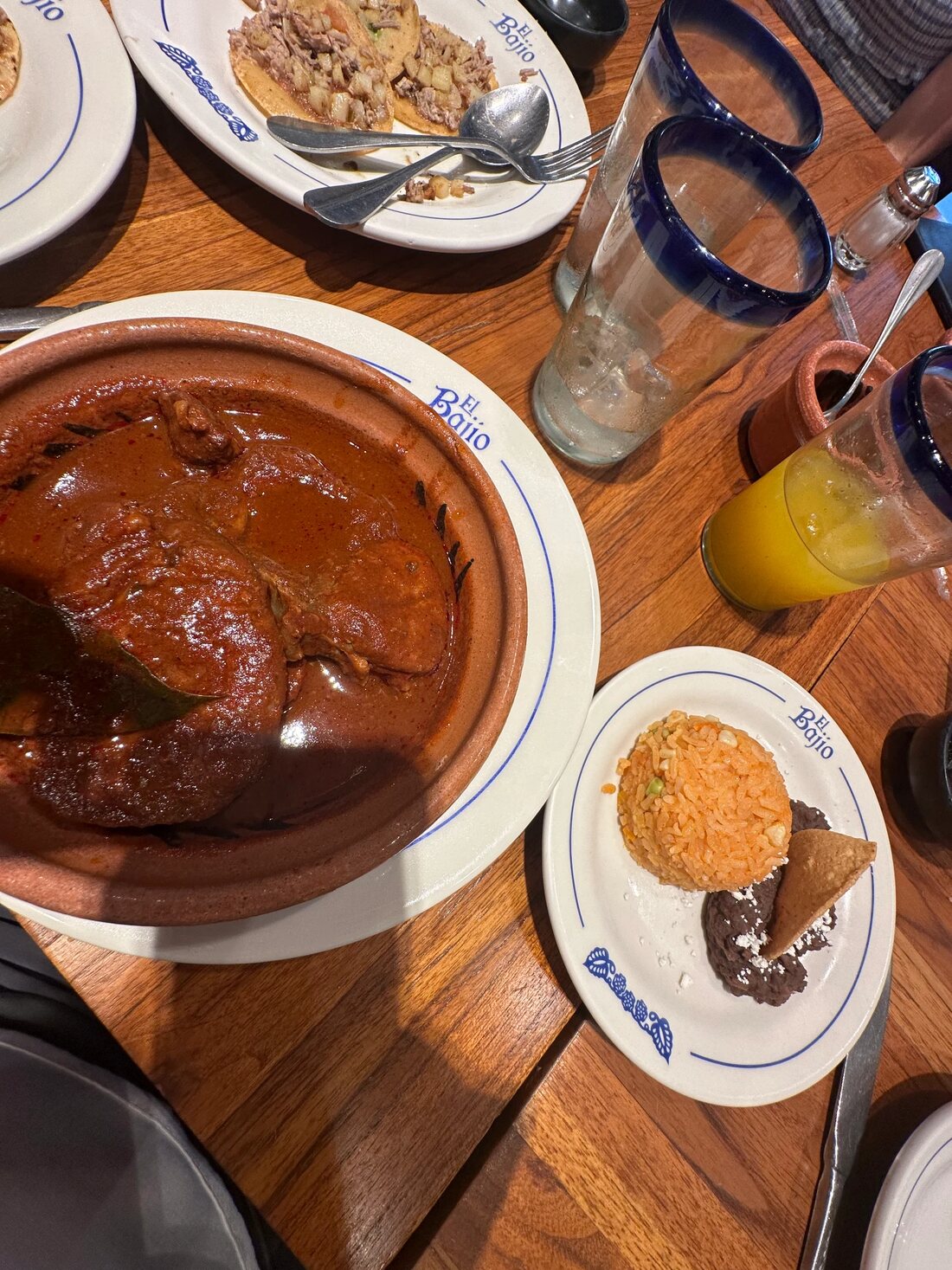
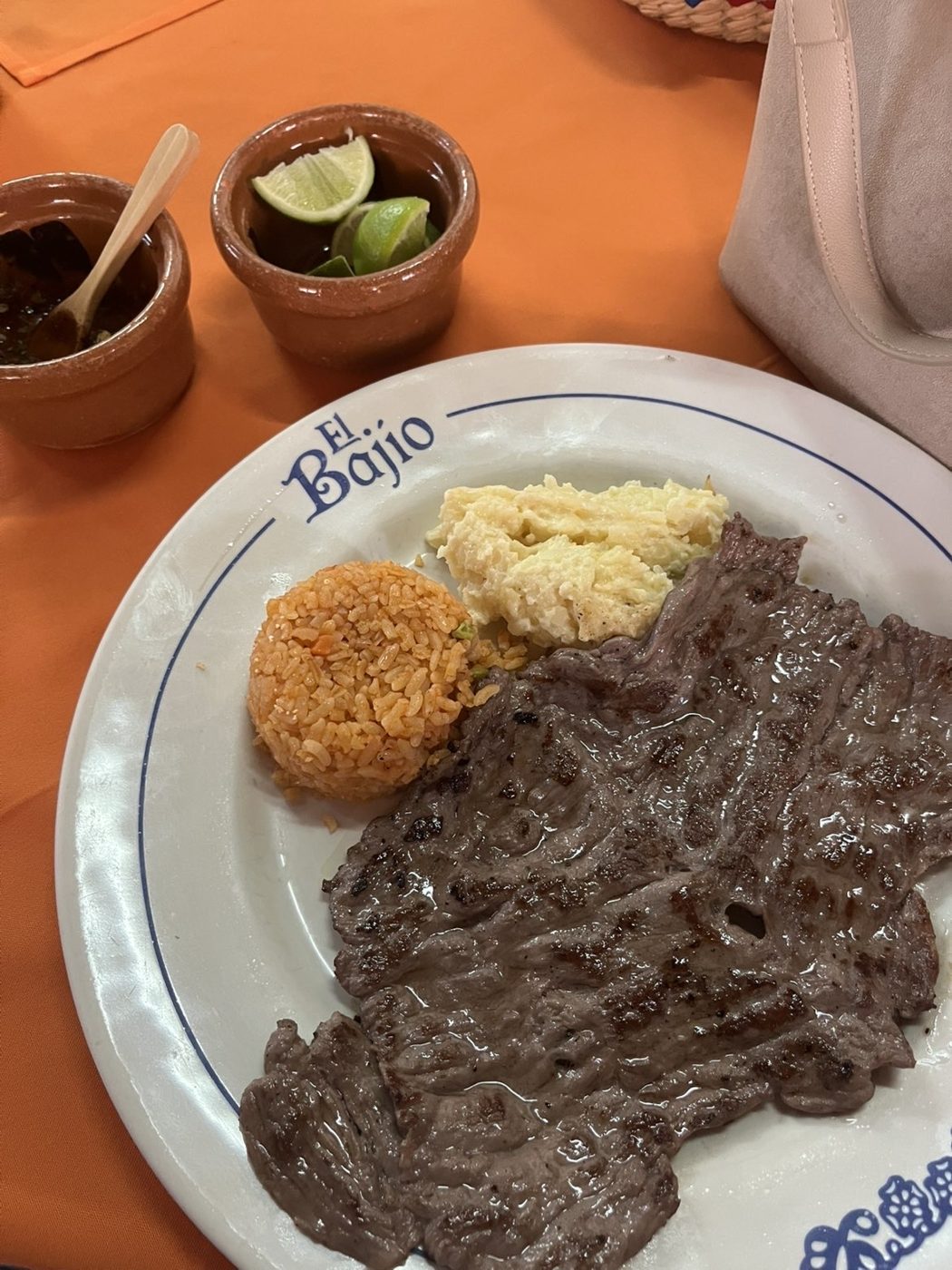
Photographed at El Bajío and around Mexico
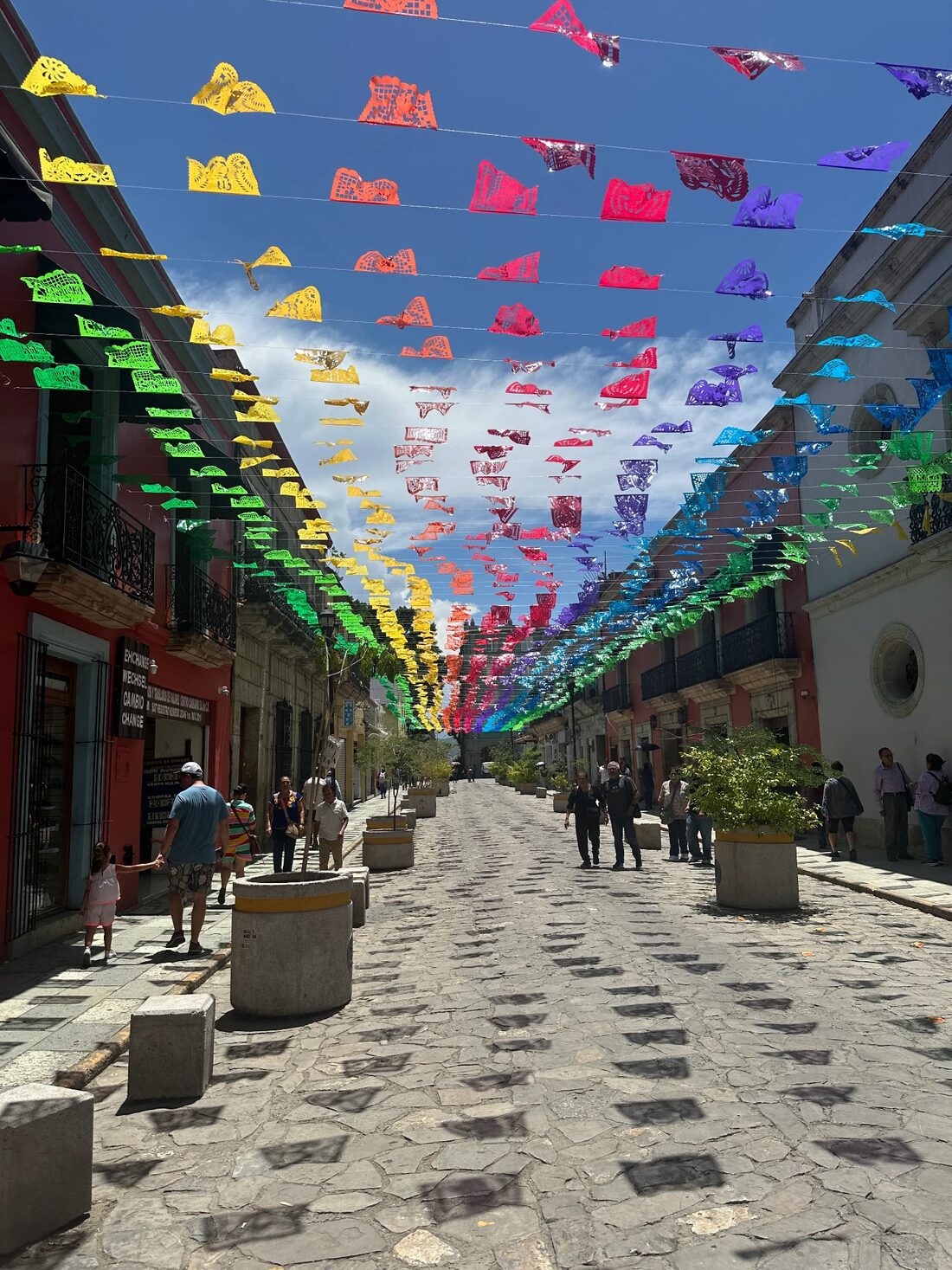
Oaxaca
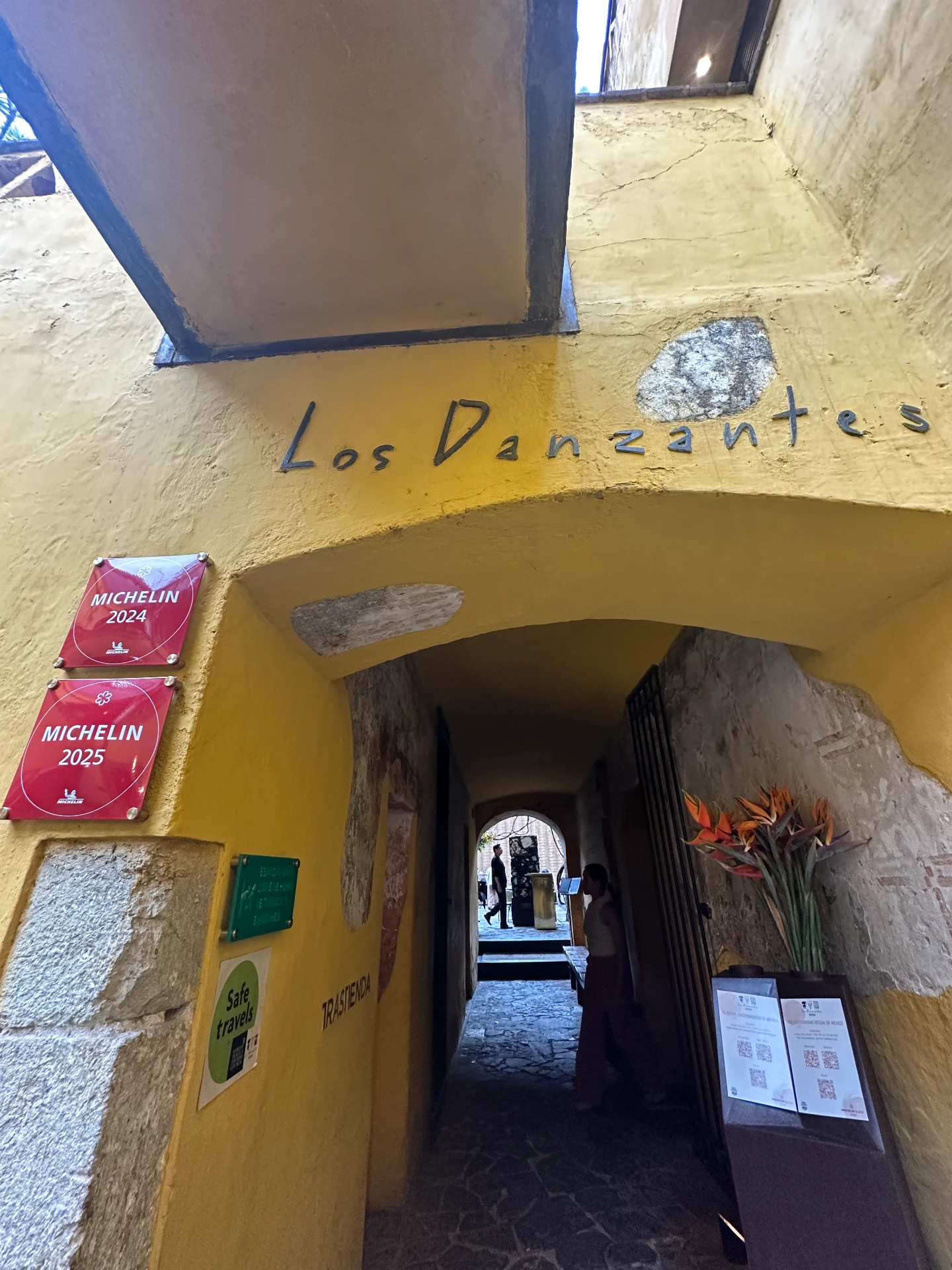
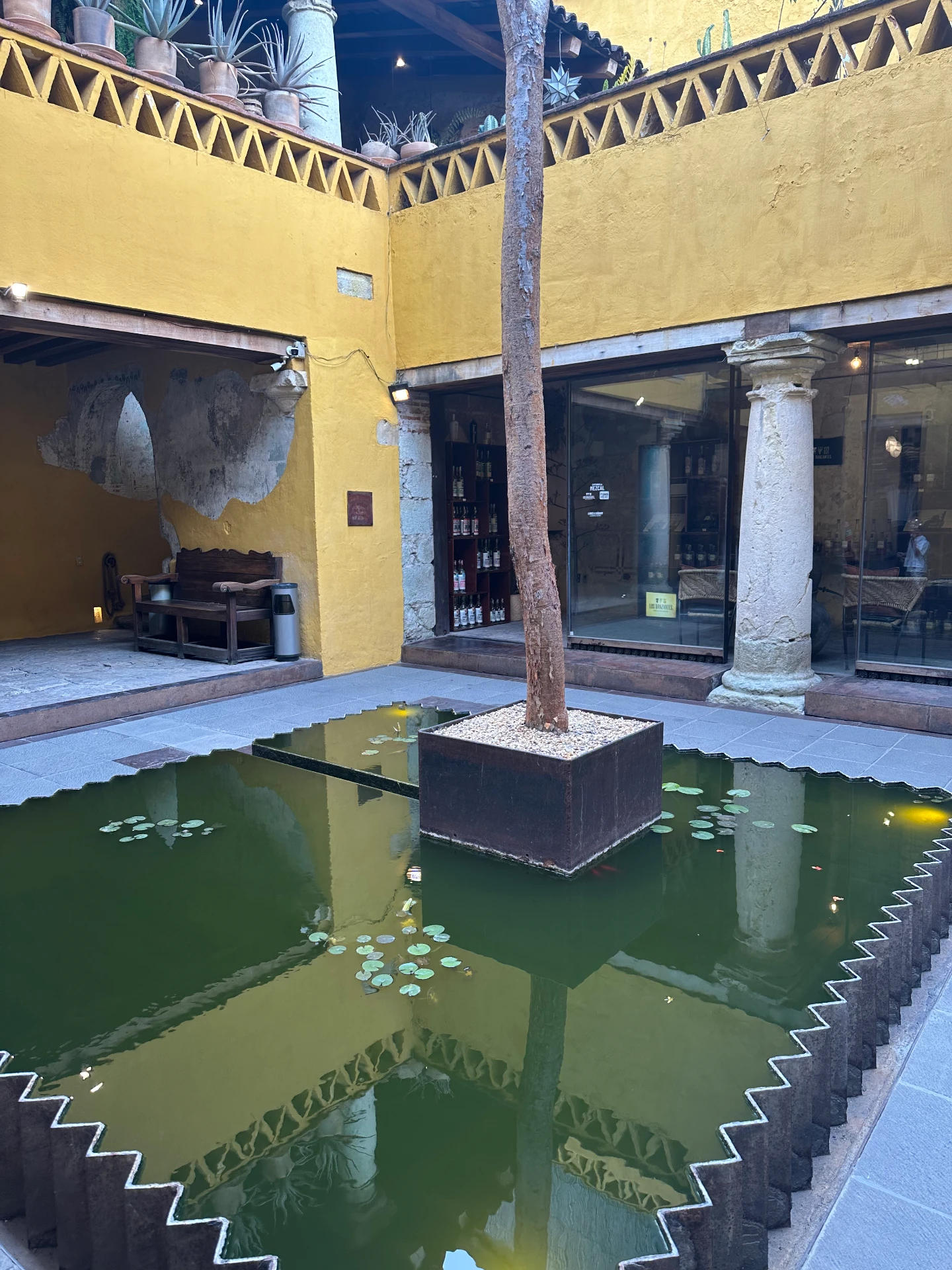
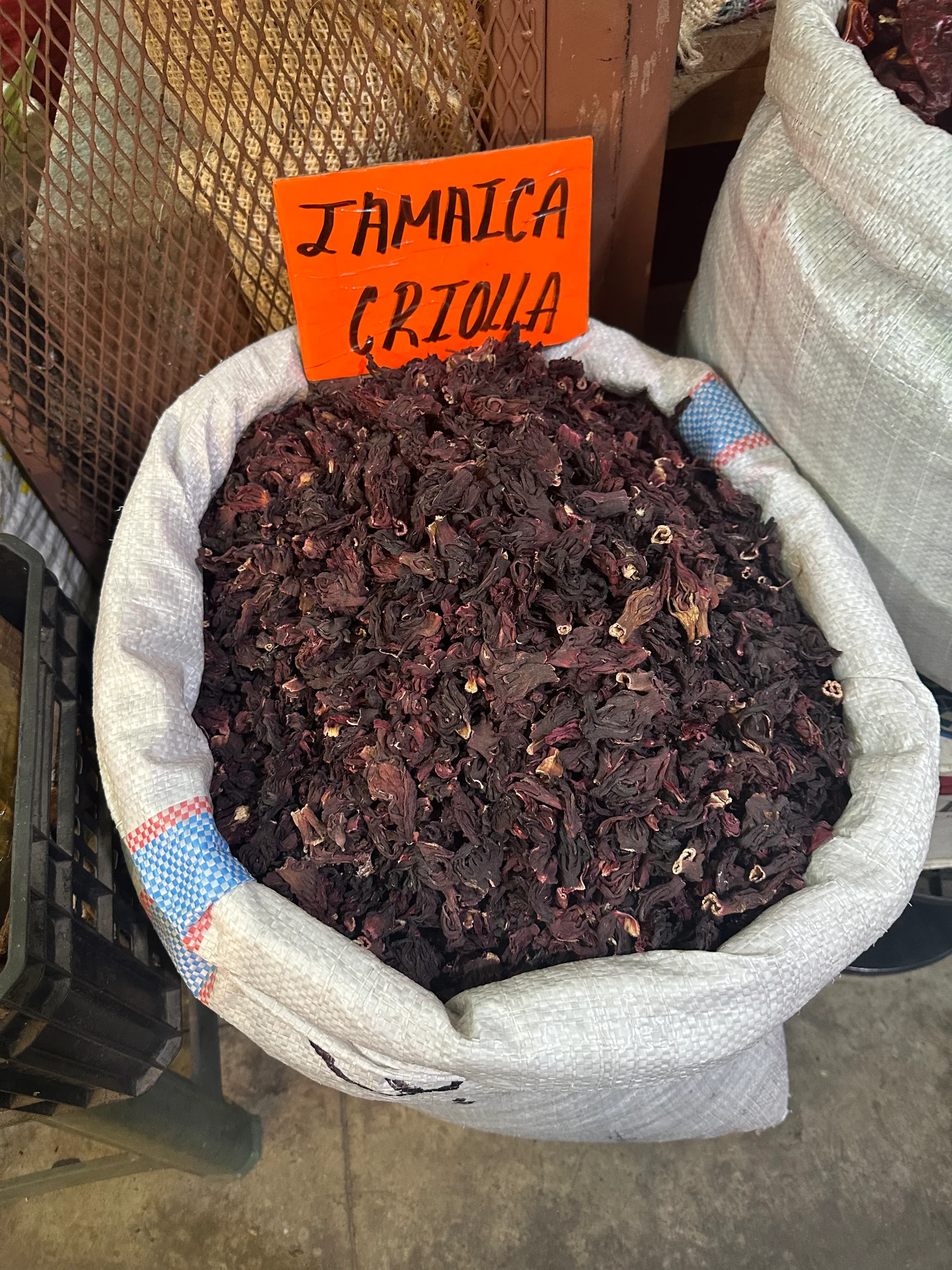
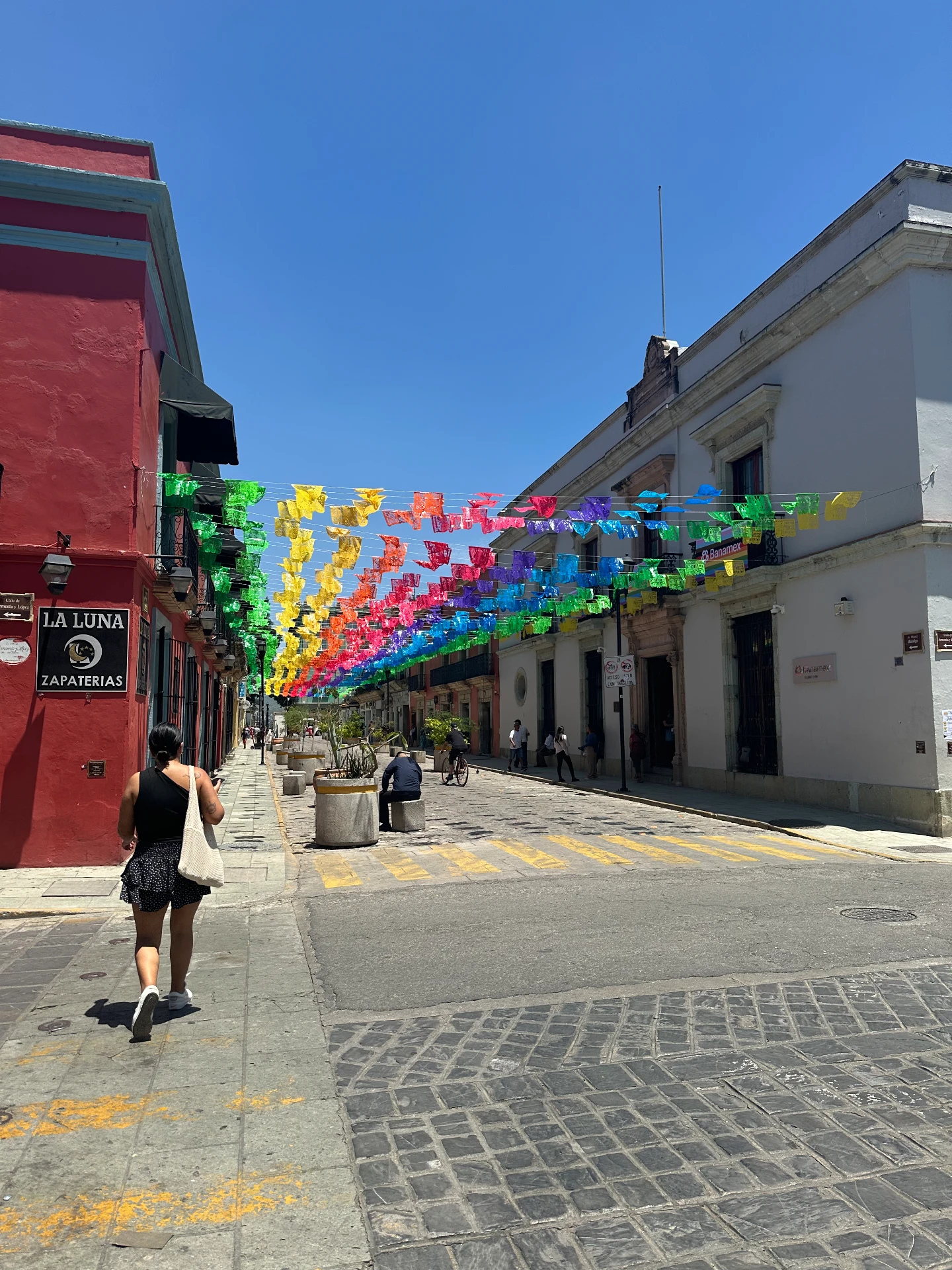
Photographed in Mexico